
Peptide Calculator
This reconstitution reference tool assists laboratory investigators in calculating peptide concentration and aliquot draw volumes for preclinical research protocols. Enter the lyophilised peptide mass, target dose, and bacteriostatic water volume. The calculator instantly returns the post-reconstitution concentration (mcg/mL) and exact draw volume in both millilitres and U-100 syringe units. Designed to support accurate, reproducible compound preparation and reduce manual calculation errors, consistent with standard laboratory dilution practices (see National Institutes of Health guidelines)

Dose of Peptide

Peptide Strength

Bacteriostatic Water
determines peptide concentration
GLP-1s: 2mL to 3mL
Peptides: 3mL
Results
Peptide Dose: -
Concentration: -
Volume to Draw: -
Volume to Draw (IU): -

Example: Calculating Your Peptide Dose
For example, if you have a 10mg vial and add 2mL of bacteriostatic water, the peptide calculator will show exactly how much to draw for a 250mcg dose. It also works as a peptide calculator mg, ensuring quick and accurate results every time. Need help reconstituting peptides? Read our step-by-step Retatrutide reconstitution guide.
Set Your Target Dose
Enter the Peptide Strength
Add Bacteriostatic Water
What the Calculator Does
Here’s the behind-the-scenes math:
- You have 5mg (5000mcg) of peptide.
- You added 3mL of water.
- That gives you a concentration of 5mg / 3mL.
Now to get your 250mcg dose, the calculator tells you to draw up 0.15mL, which is 15 units on a standard insulin syringe.
Visual Dosage Guide
- 1mL = 100 units
- So, 0.15mL = 15 units
How to Use the Reconstitution Calculator
Set Target Peptide Dose
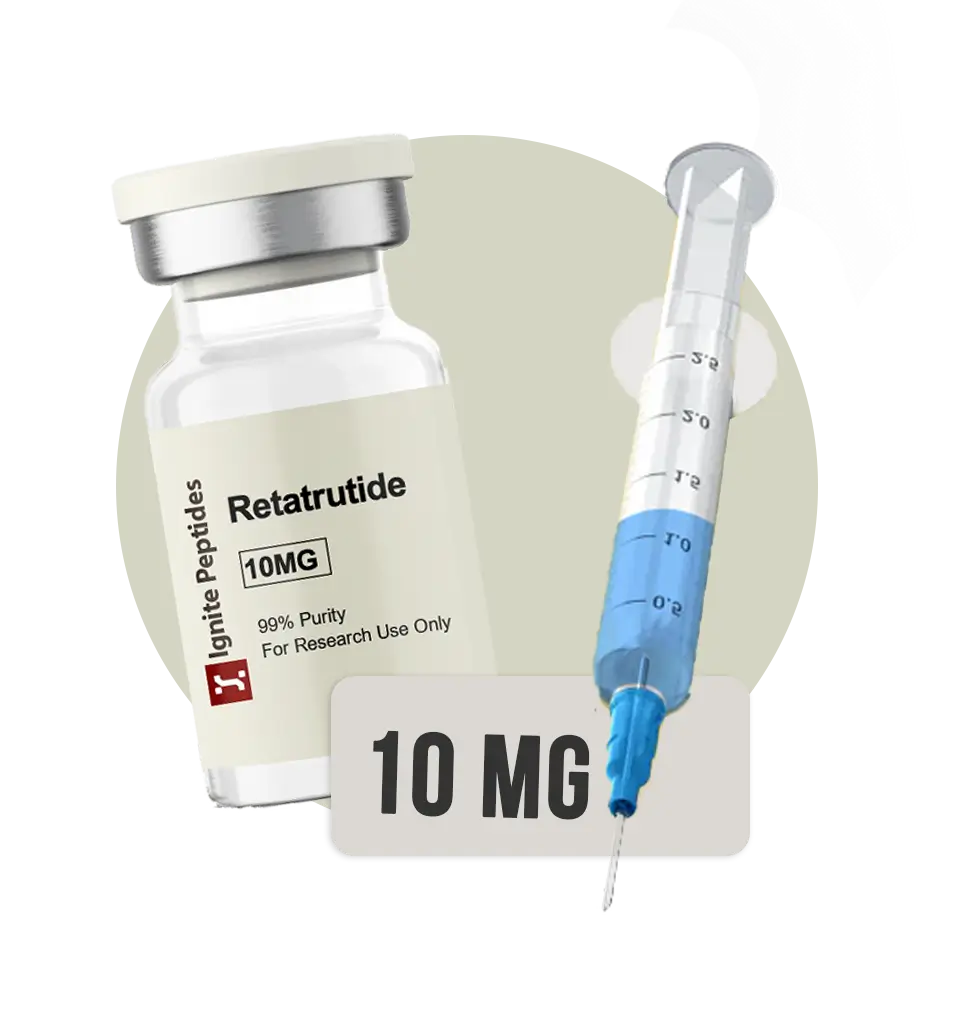
Begin by determining the peptide dose required per experimental aliquot, as defined by your study protocol. Enter this value in micrograms (mcg) into the Dose field.
Dose parameters for research models should be established based on peer-reviewed literature relevant to the specific compound and biological pathway under investigation. This calculator does not recommend doses; it computes draw volumes based solely on researcher-defined inputs.
| Tip: Ensure your dose unit (mcg or mg) matches the unit selected in the calculator input field to avoid calculation errors. |
|---|
Enter Lyophilised Peptide Mass
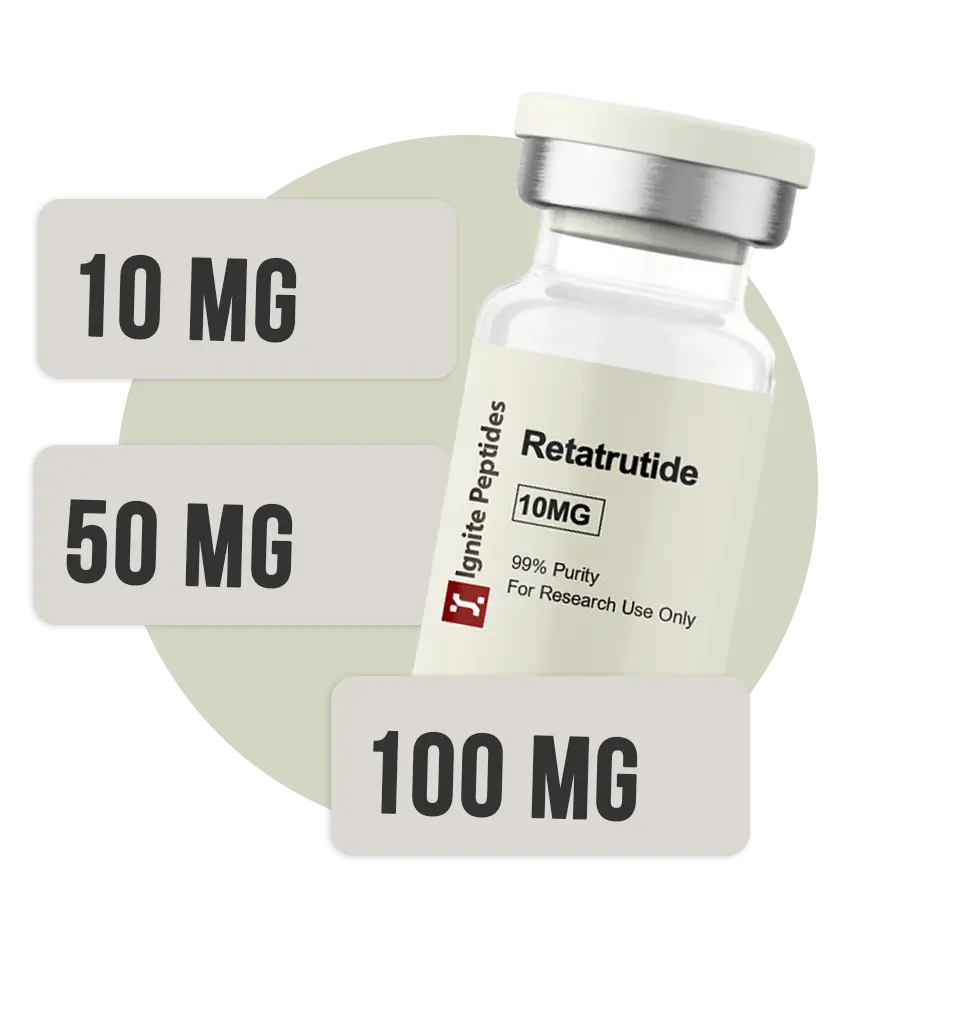
- 10 mg
- 50 mg
- 100 mg
| Always cross-reference the declared mass against your COA before proceeding with reconstitution. |
|---|
Add Reconstitution Solvent Volume
| 1 mL | Higher concentration, smaller draw volumes per dose |
| 2 mL | Standard reference volume for most research protocols |
| 3 mL | Lower concentration, larger draw volumes per dose |

Check the Visual Dosage Meter
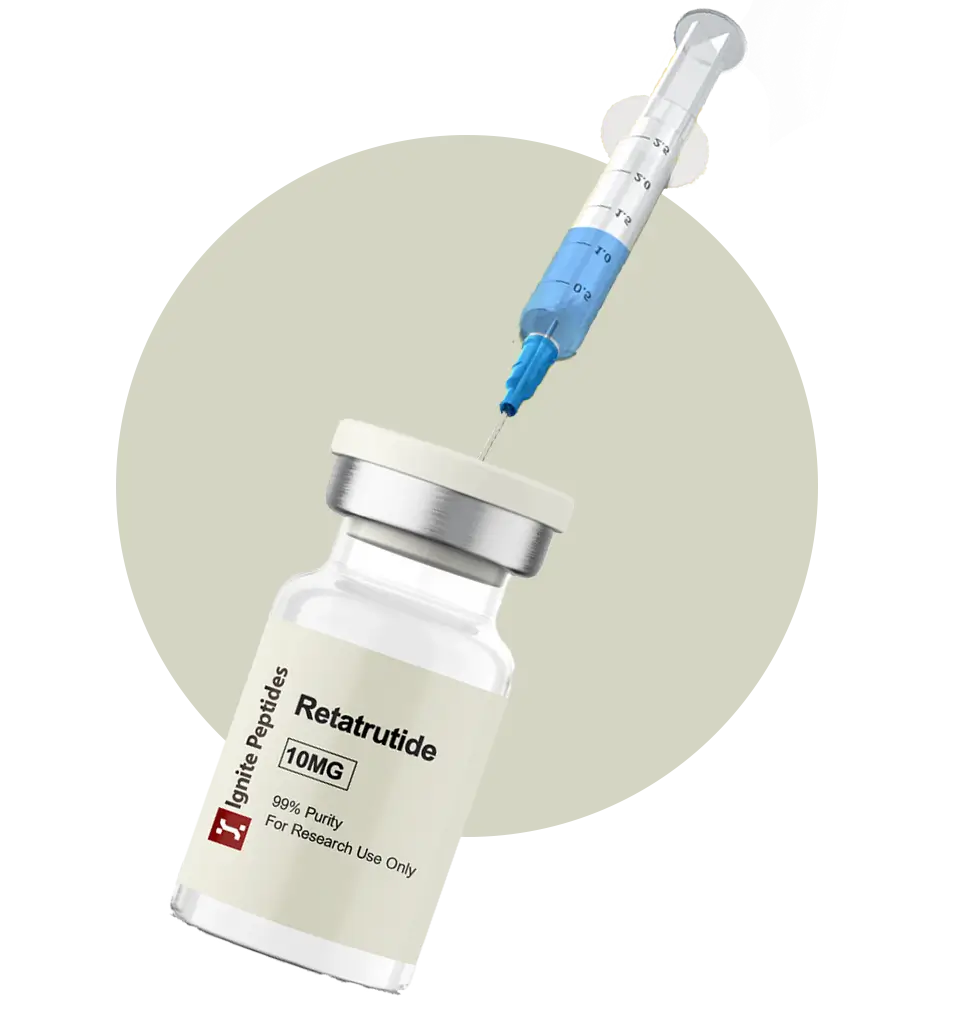
Once all inputs are entered, the Reconstitution Calculator displays your draw volume results alongside a visual syringe reference meter.
The Syringe Reference Tool Provides:
- Post-reconstitution peptide concentration (mcg/mL)
- Calculated draw volume per target dose (mL)
- Corresponding U-100 syringe unit marking for laboratory aliquot preparation
Standard U-100 insulin syringes are calibrated to 100 units per mL. Each unit marking equals 0.01 mL. Accurate conversion of calculated volumes to syringe markings is essential for consistent dose delivery across experimental replicates.
| The syringe visual assists researchers in preparing accurate aliquots during protocol preparation. For studies requiring high volumetric precision, gravimetric verification is recommended as a supplementary validation step. |
|---|
Summary
This reconstitution calculator applies standard dilution methodology to assist laboratory researchers in preparing peptide compounds for preclinical and in-vitro study protocols. By entering three values: target dose, lyophilised peptide mass, and reconstitution solvent volume, researchers can determine the precise concentration and draw volume required for their experimental preparation.
All calculation outputs are mathematical references based on researcher-entered values. Ignite Peptides recommends that researchers independently verify reconstitution parameters against COA documentation and publish compound-specific literature before laboratory use.
Top-Tier Peptides Chosen by Experts
Browse our premium selection of peptides recognized for their quality and reliability. These top choices are favored by researchers for consistent lab results and verified purity, ensuring dependable performance in every study.


Commonly Asked Questions About Peptide Calculations
How much water should I mix with my peptides?
Why do I need to use a peptide calculator?
A peptide calculator helps convert peptide strength and liquid volume into accurate measurements. It reduces confusion between mg, mcg, mL, and syringe units, ensuring consistent calculations for research and laboratory handling.
What is the best solvent for peptides?
Most peptides are reconstituted using bacteriostatic water because it is sterile and contains a preservative that limits bacterial growth. In some research settings, sterile water or other approved solvents may be used depending on the peptide’s specifications.
How do I reconstitute peptides?
- Clean the vial tops with alcohol.
- Draw the desired amount of solvent into a sterile syringe.
- Slowly inject the solvent down the side of the peptide vial.
- Gently swirl (do not shake) until fully dissolved.
How much water should be mixed with peptides?
- Peptide strength (mg)
- Desired dose size
- Measurement preference
Can the peptide calculator help with multiple peptides at once?
This calculator is designed to calculate one peptide at a time. If working with multiple peptides, calculate each separately to avoid errors in concentration and measurement.
Why is my calculated dose in syringe units different from expected?
Syringe units change based on how much water is added. A more diluted solution requires more syringe units per dose, while a more concentrated solution requires fewer units. This is normal and expected.
How do I calculate a peptide dose?
- Enter the peptide amount in the vial.
- Add the volume of solvent used.
- Enter the desired dose.
Purchase Research Peptides with Confidence
Explore our full catalogue of peptides for sale and enjoy fast shipping, professional service, and COA-backed purity. Ignite Peptides is committed to being the most reliable peptide supplier in the USA for research professionals.

 Sign In to Google