The Retatrutide Dosage Calculator helps you quickly find the correct injection measurement after peptide reconstitution. It uses your vial strength, target dose, and bacteriostatic water volume to calculate accurate results in seconds. This saves time, reduces errors, and ensures consistent dosing during research.
Choose the syringe that matches what you have at home. If you are not sure, 1 mL is the most common for peptide use.

Best for low-volume, high-concentration doses

Good mid-range option for most doses.

Most versatile, works for the widest dose range.
This preview illustrates how study participants were escalated from lower starting doses up to their final weekly dose.
Copy a link to bookmark your current calculation or send it to someone else. Your inputs are saved in the link; no account needed.
Disclaimer: This escalation schedule is shown for reference only and mirrors dose ramp-ups used in published studies. This is not dosing advice.
Start by entering the Retatrutide dose used per injection in your research protocol. This value acts as the base for the entire calculation.
You can enter the dose in micrograms (mcg) or milligrams (mg). The calculator uses this number to determine how much reconstituted solution is required for each injection.
Entering the correct dose helps maintain consistent dosing and accurate research measurements.


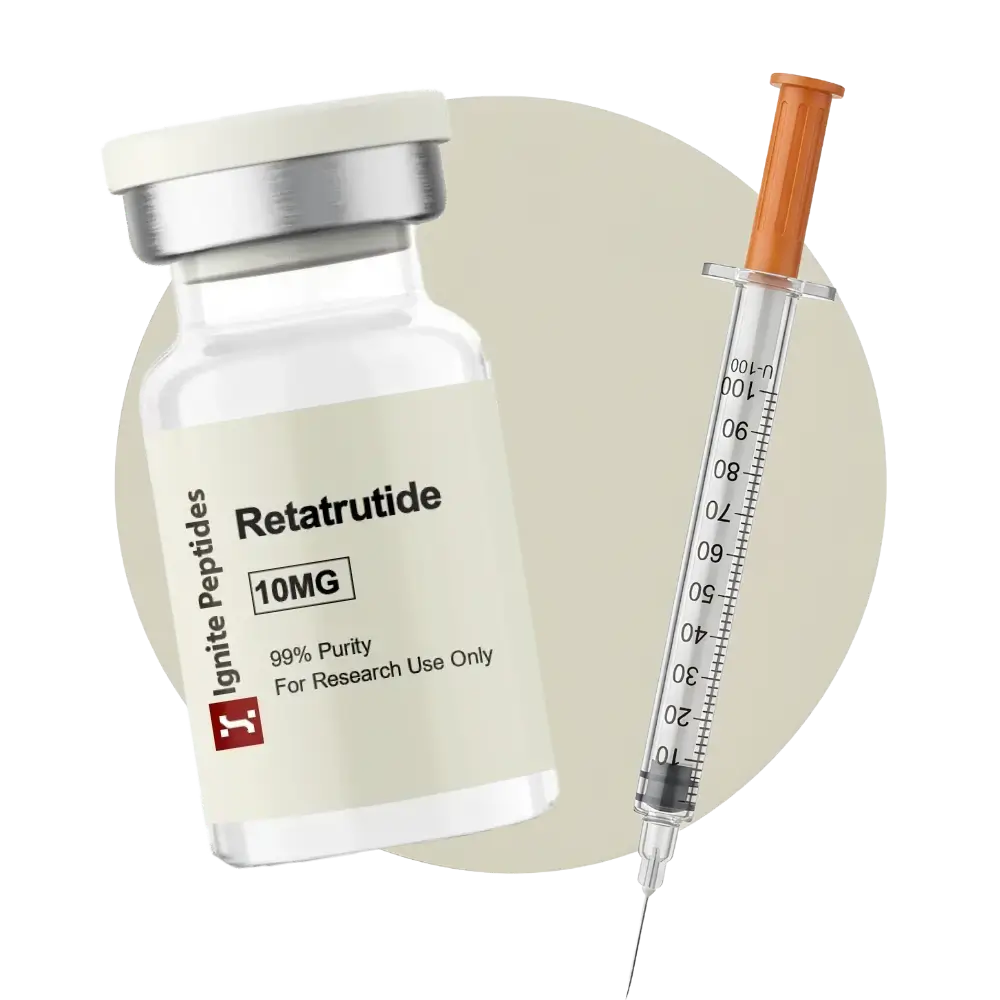
Next, select the total amount of Retatrutide in your vial before mixing. This tells the calculator how much peptide is in the vial.
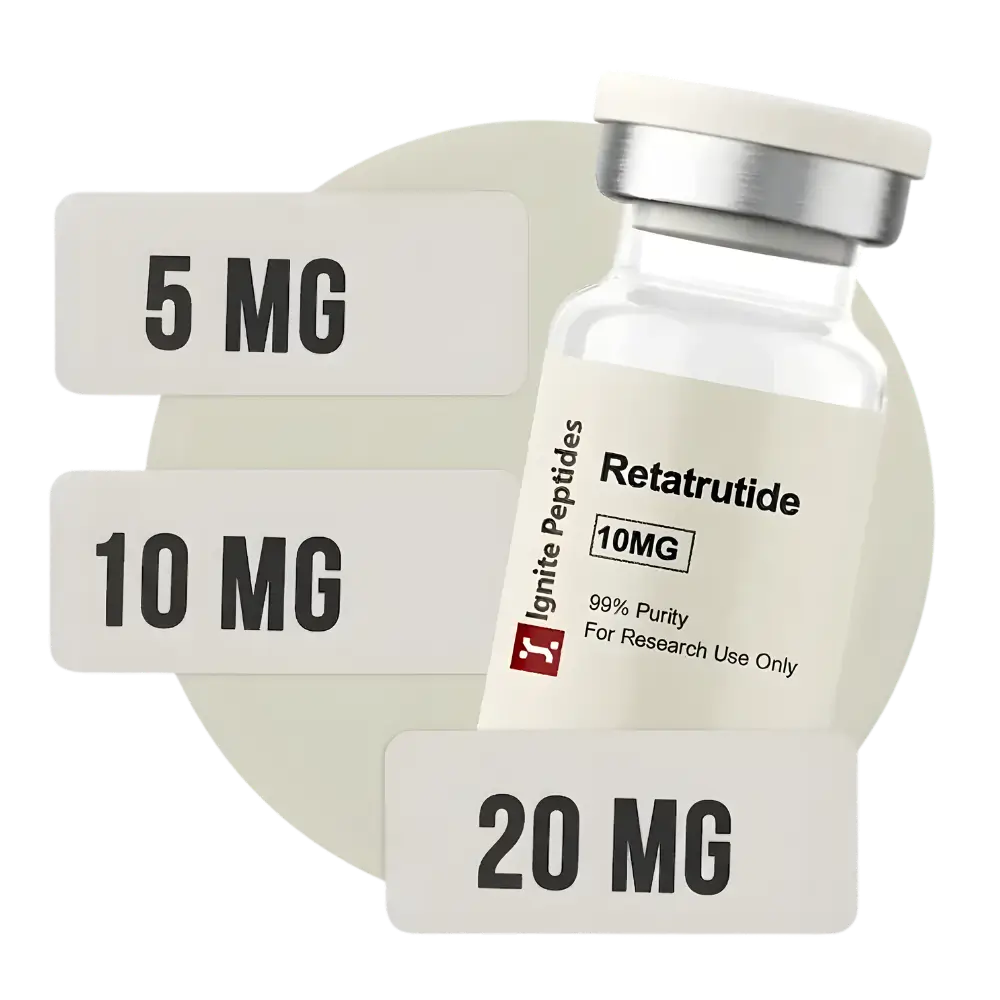
Most research vials come in common strengths such as 5 mg, 10 mg, and 20 mg. Each strength contains a different amount of peptide. The calculator uses this value to determine the final peptide concentration after reconstitution.
For example, a Retatrutide 10 mg vial contains more peptide than a 5 mg vial. This means the final concentration will change based on the vial strength and the amount of water added. Selecting the correct strength helps the Retatrutide dosage calculator produce an accurate result.
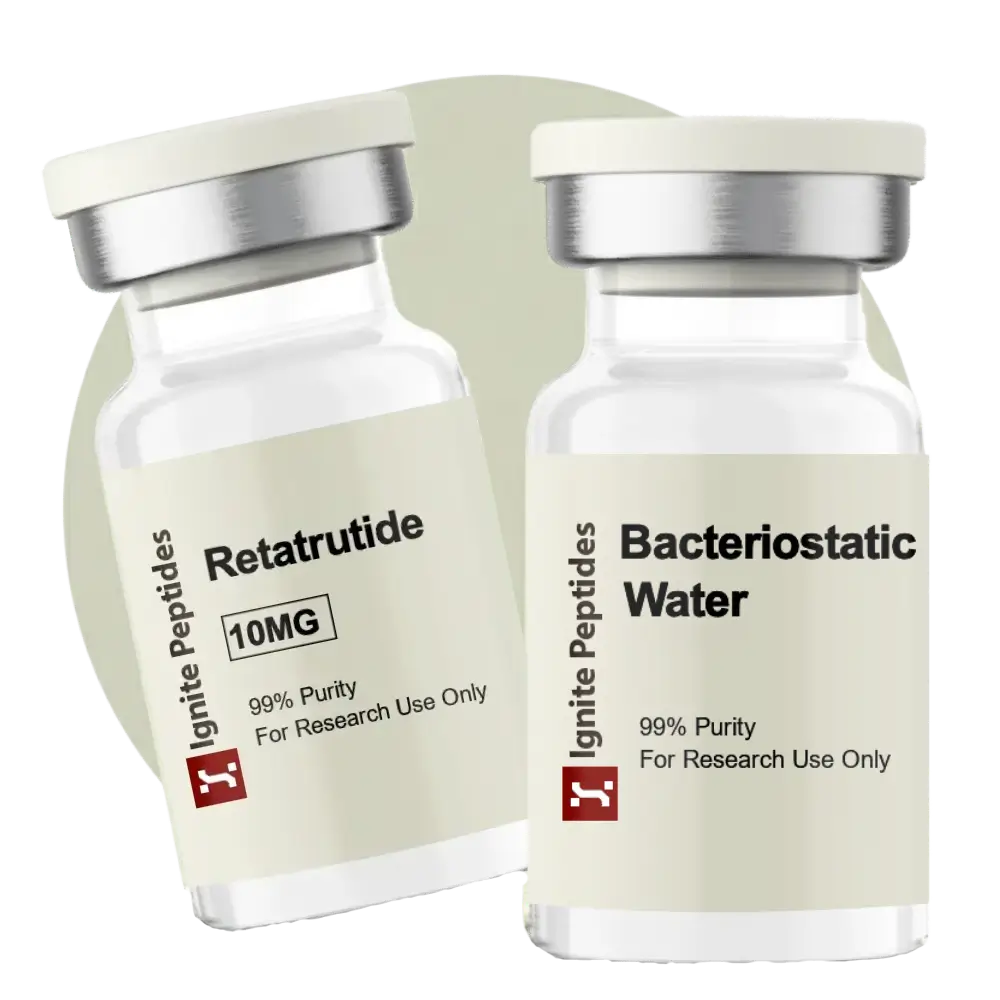
Enter the amount of bacteriostatic water (BAC water) added during reconstitution. This step determines how strong or diluted the final solution becomes.
Adding more water creates a lower concentration. Adding less water creates a higher concentration. The calculator uses this value to determine the final mg per mL concentration.
For example, mixing 10 mg of Retatrutide with 2 mL of water creates a solution of 5 mg per mL. This concentration is then used to calculate the correct injection volume.


After entering all values, the Retatrutide dosage calculator performs the final calculation. It determines the injection volume in mL and converts it into insulin syringe units.
You will see the selected Retatrutide dose, the final solution concentration, and the exact syringe units needed for each injection. The tool also shows a simple visual syringe guide.
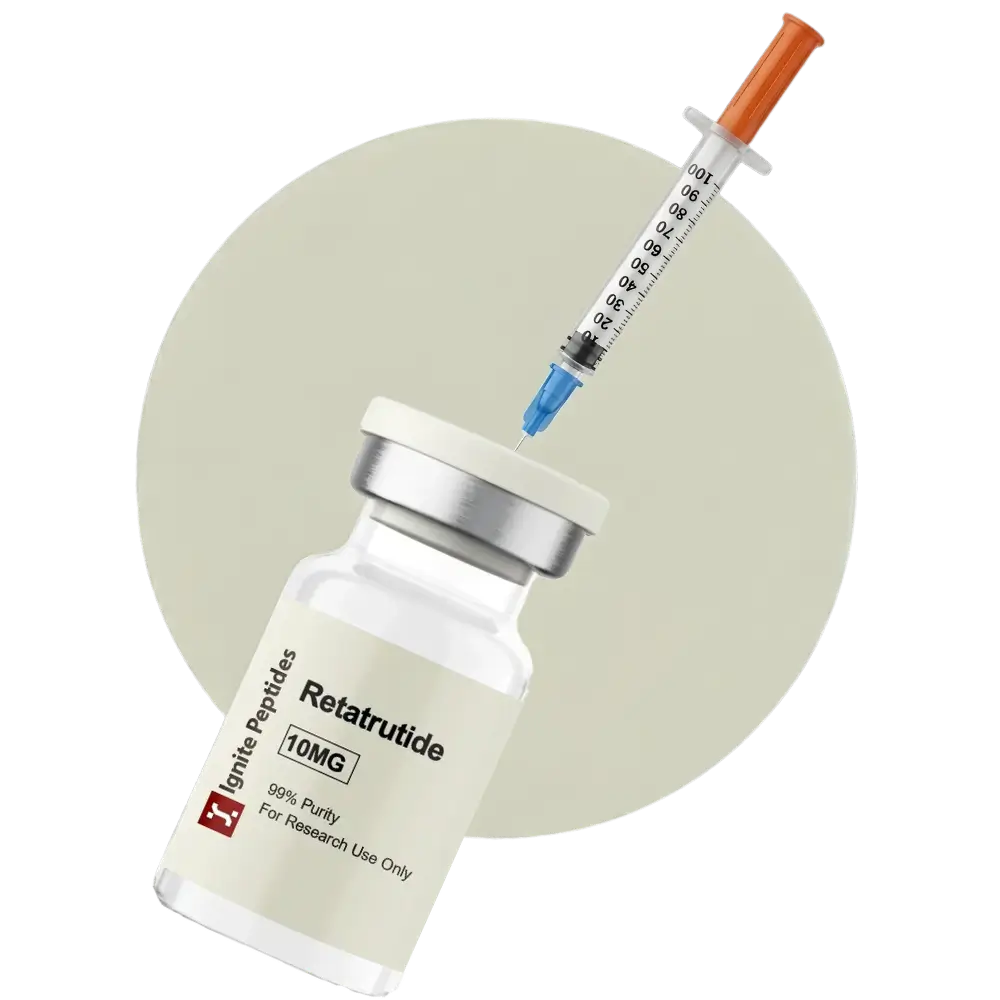
Most insulin syringes use a 100-unit scale. This means 1 mL equals 100 units. The calculator converts the volume into units automatically. This makes the dose easy to measure and helps avoid calculation mistakes.
The Retatrutide Dosage Calculator simplifies peptide preparation by providing fast, accurate dosing calculations in seconds. Instead of doing manual math, researchers can quickly determine solution concentration, injection volume, and exact syringe units with just a few inputs.
By entering your target dose, vial strength, and diluent volume, the tool removes guesswork and reduces the risk of measurement errors. This helps ensure consistent dosing, saves preparation time, and supports more reliable research outcomes.
Find quick answers to common questions about Retatrutide dosing, reconstitution, and syringe measurements. This section helps you understand how the calculator works and how to get accurate results for your research preparation.
Retatrutide dosing depends on the peptide concentration after reconstitution. Once mixed with bacteriostatic water, the selected dose in mg or mcg is converted into mL and syringe units using a dosing calculator.
Many research setups use 1 mL to 3 mL of bacteriostatic water. The chosen amount changes the final concentration and the syringe measurement required for each dose.
There is no single required amount. The volume depends on the desired solution strength. Adding more water lowers the concentration, while adding less water increases it.
Draw bacteriostatic water into a syringe and inject it slowly along the side of the vial. Let the powder dissolve naturally. Do not shake the vial. Once mixed, calculate the injection dose using a Retatrutide dosage calculator.
Divide the total peptide amount (mg) by the total water added (mL). This gives the final mg per mL concentration. Then divide the target dose by this concentration to find the injection volume.
You can use an online Retatrutide dosage calculator to quickly determine injection volume and syringe units. By entering vial strength, dose, and diluent volume, the tool calculates the correct measurement in seconds.
Explore our full catalogue of peptides for sale and enjoy fast shipping, professional service, and COA-backed purity. Ignite Peptides is committed to being the most reliable peptide supplier in the USA for research professionals.


At Ignite Peptides, we provide a secure and reliable way to source high-quality research peptides online. As a trusted U.S.-based peptide supplier, we focus on lab-verified products, full transparency, and consistent quality. With fast shipping and responsive support, we’re committed to advancing safe, dependable research you can trust.
This helps us maintain strict standards for regulatory compliance, researcher verification, and responsible product access.