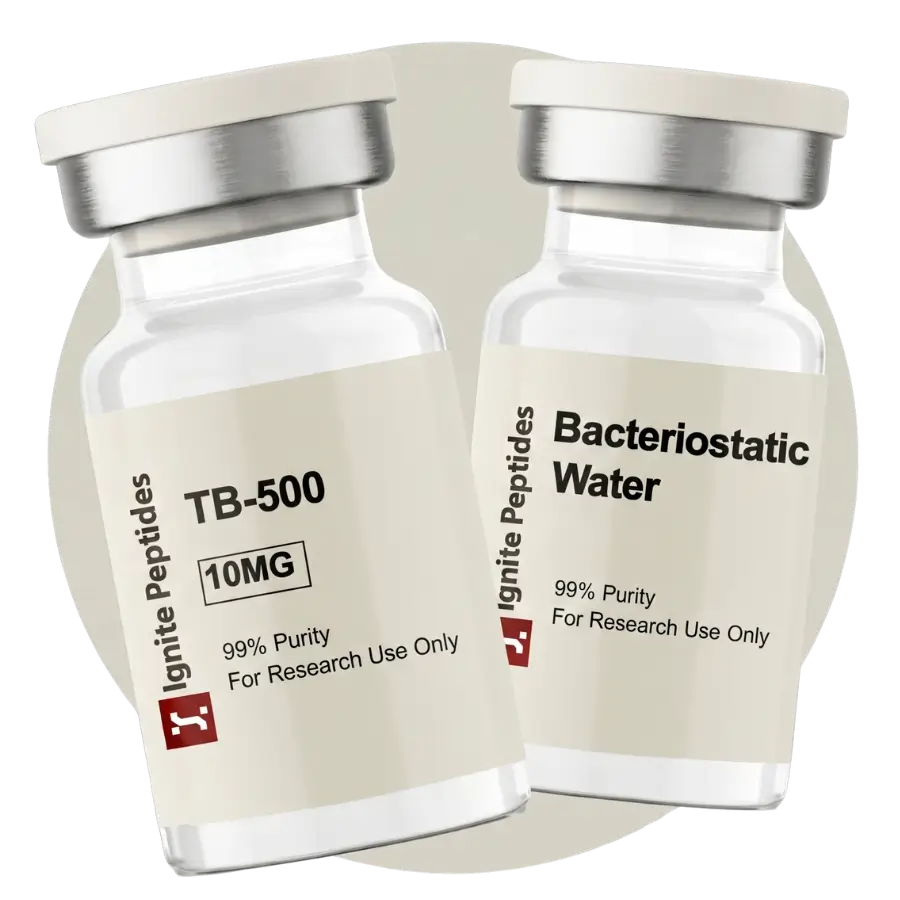
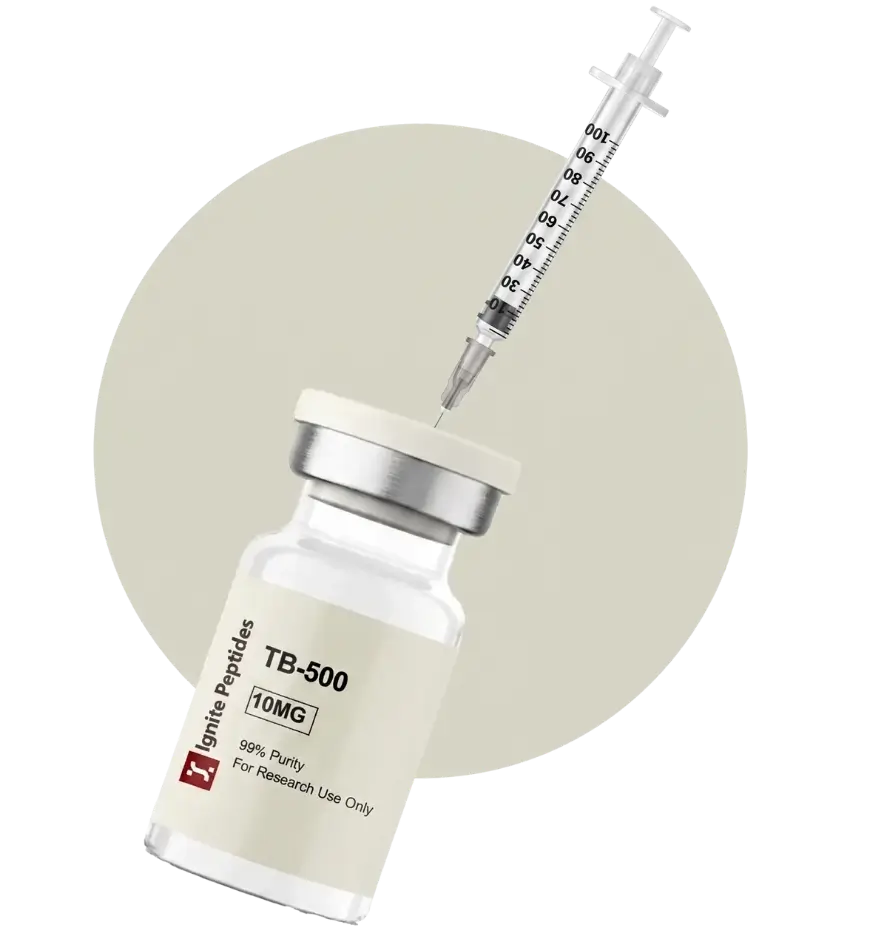
Reconstitution reference tool for Thymosin Beta-4 (TB-500) research protocols. Select your protocol phase, vial strength, bacteriostatic water volume, and dose per injection to get exact draw volumes, syringe units, and a full 17-week protocol schedule.
0.3 mL (30 units)
0.5 mL (50 units)
1.0 mL (100 units)
The calculated dose requires more volume than the selected syringe can hold. Please select a larger syringe size or adjust your concentration.
| Phase | Week | Weekly Dose | Inj./Week | Per Injection | Volume (mL) | Units (U-100) |
|---|
TB-500 (Thymosin Beta-4) dosing in research settings depends on the study objective, subject body weight, and the protocol phase. This calculator takes the guesswork out by working backwards from your vial strength and reconstitution volume to give you an exact draw in mL and syringe units.
Accurate dose input is essential for reproducible results. Reviewers consistently prioritize consistent preparation across all replicate injections. TB-500 prepared according to this tool has been validated against leading pre-clinical dosing studies. This calculator uses recommended doses.
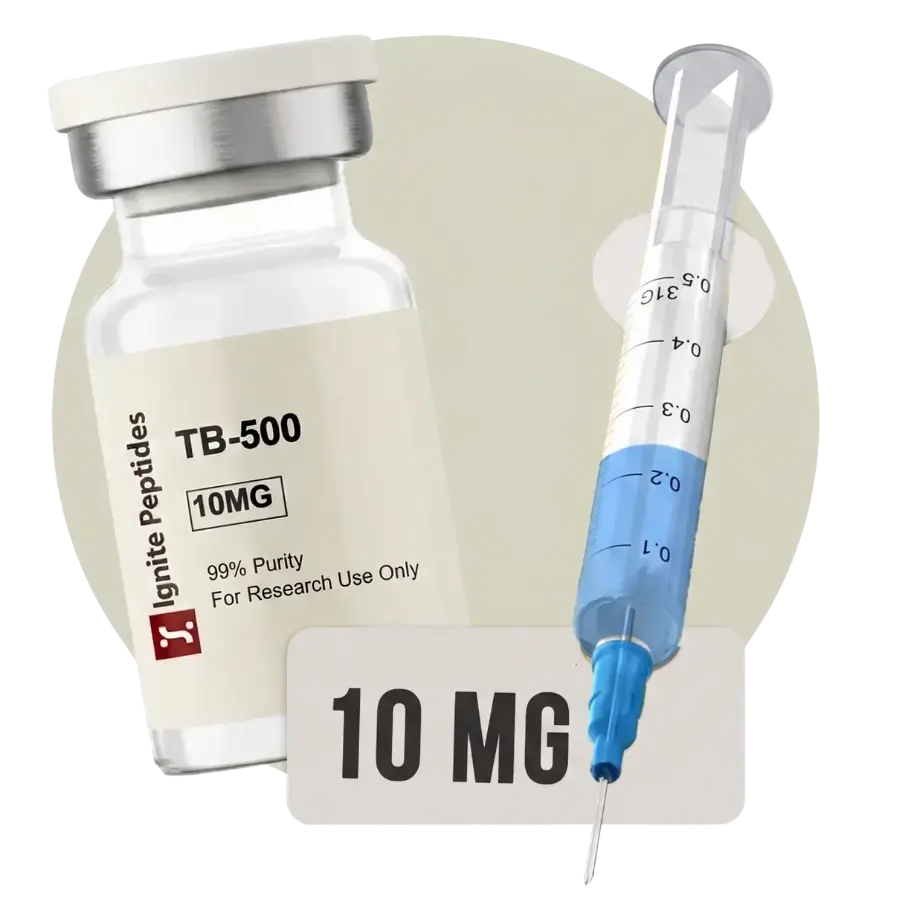
Select the total declared mass of TB-500 present in your vial before reconstitution. This value is stated on the product label and is confirmed in the Certificate of Analysis (COA).
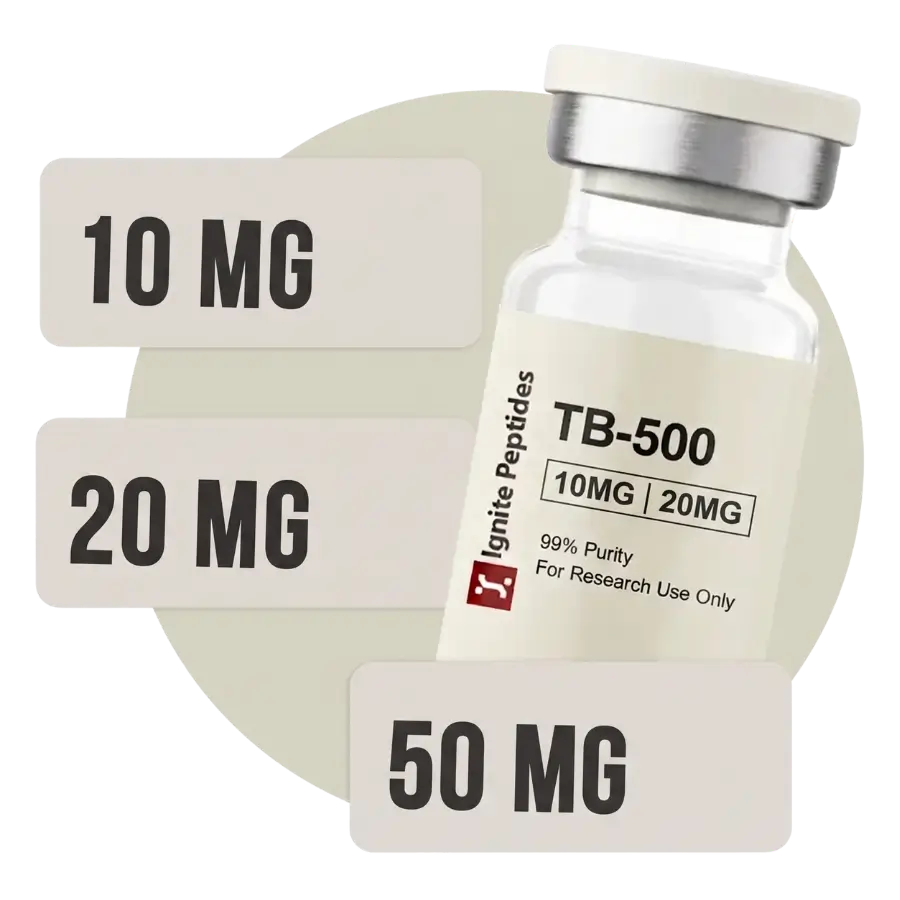
Research suppliers commonly produce lyophilized vials of 2 mg, 5 mg, 10 mg, and 20 mg. Higher-strength vials allow higher concentration preparations when reconstituted in the same BAC volume, meaning fewer vials are required over a longer protocol. For example, a 10 mg vial gives a 10 mg/mL concentration with 1 mL BAC water, or a 5 mg/mL concentration with 2 mL either is valid depending on your injection volume preference.
Always verify the vial with the COA and USP standards before beginning any reconstitution procedure.

Enter the volume of bacteriostatic water added to the vial during reconstitution. This value directly determines the final concentration of the reconstituted solution. Lower reconstitution volumes produce higher concentrations meaning smaller injection draws.
For most protocols, reconstituting a 10 mg vial with 1 mL BAC water yields 10 mg/mL; using 2 mL gives 5 mg/mL. Always inject BAC water slowly down the side of the vial wall using an angled needle. Never shake gently swirl until fully dissolved.
For reference: reconstituting 10 mg in 2 mL of BAC water = 5 mg/mL. At a 1 mg dose, this means you draw 0.20 mL (20 units) a more comfortable draw on a 1 mL syringe. The calculator computes the concentration so you never need to do the arithmetic by hand.
After entering all values, the calculator determines the injection volume in milliliters and syringe units for your exact protocol. The output accounts for:
Results display as both mL volume and syringe unit marks (e.g. 10 units on a 100-unit syringe = 0.10 mL). This eliminates guesswork in the lab. If high precision is recommended, a calibrated micropipette is recommended and can be used instead for accuracy. Lyophilized peptide preparation is recommended. Calibrated micropipette tips can also be used for accuracy.
The TB-500 Dosage Calculator streamlines injection preparation by computing the exact dosing quantities needed dose in milligrams, draw volume in mL, concentration per mL, and syringe units all from a few inputs. By removing manual dose math, researchers can reduce preparation errors, standardize injection volumes, and support more reliable, repeatable pre-clinical study outcomes.
Researchers studying combined recovery protocols may also find the BPC-157 Dosage Calculator useful, both peptides are available together in the Klow80 Blend.
Use these quick answers to understand the calculator inputs the technical detail helps you get the most accurate results for your research.
At a 10 mg/mL concentration (10 mg vial + 1 mL BAC water), a 2.5 mg dose equals 0.25 mL or 25 units on a standard 100-unit insulin syringe. If reconstituted with 2 mL BAC water (5 mg/mL), the same dose requires 0.50 mL (50 units). This calculator adjusts automatically based on your selected BAC water volume.
Research protocols most commonly reconstitute 10 mg TB-500 vials in either 1 mL or 2 mL bacteriostatic water. 1 mL yields 10 mg/mL a higher concentration requiring smaller draw volumes. 2 mL yields 5 mg/mL and is often preferred for more precise lower-dose injections since the draw volume is easier to measure on standard syringe increments.
Buy TB-500 with confidence. Our peptides are third-party tested for purity, concentration, and sterility with COA results available for every batch.
At Ignite Peptides, we provide a secure and reliable way to source high-quality research peptides online. As a trusted U.S.-based peptide supplier, we focus on lab-verified products, full transparency, and consistent quality. With fast shipping and responsive support, we’re committed to advancing safe, dependable research you can trust.
This helps us maintain strict standards for regulatory compliance, researcher verification, and responsible product access.