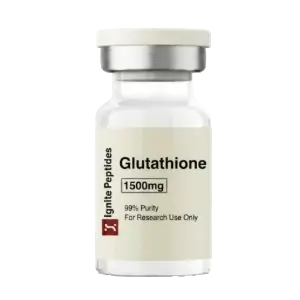
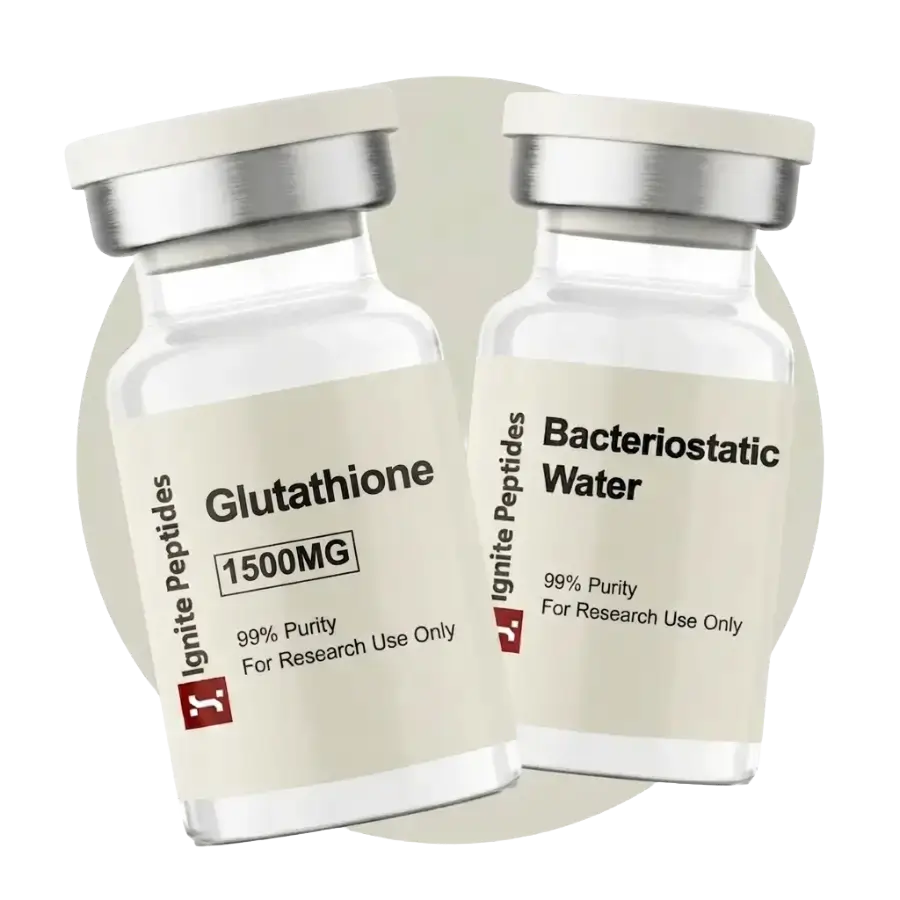
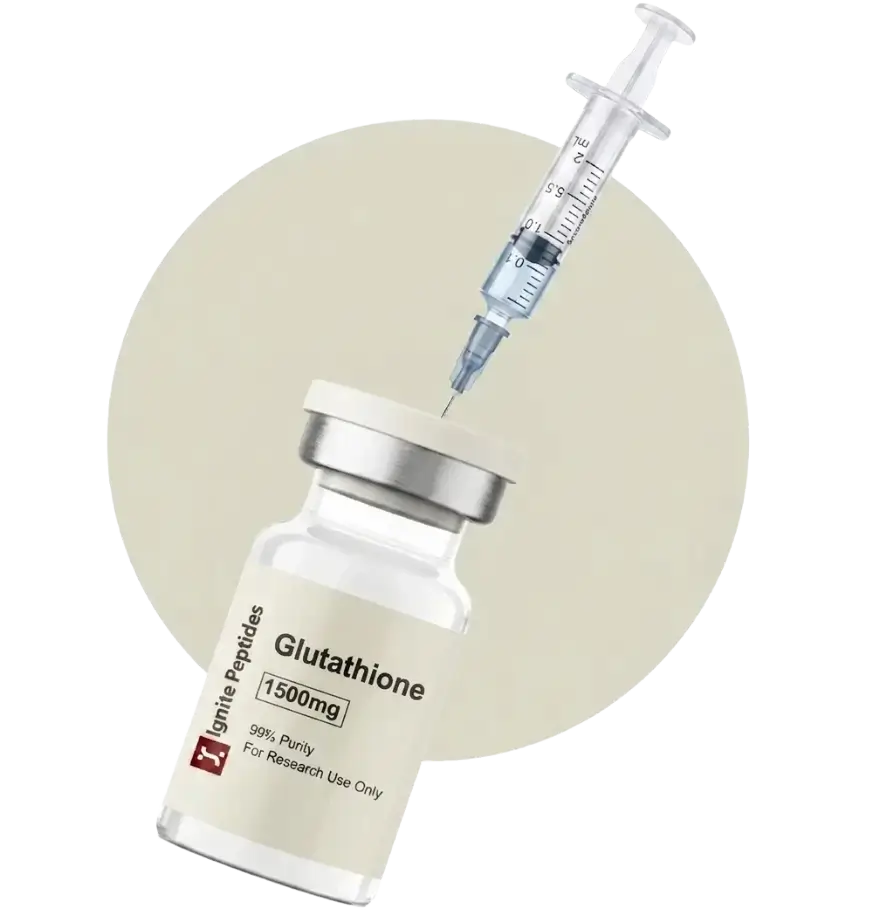
A specialized resource for calculating the reconstitution and draw volume of high-strength Glutathione for laboratory research.
0.3 mL (30 units)
0.5 mL (50 units)
1.0 mL (100 units)
Glutathione often requires higher volumes. The calculated draw exceeds your syringe capacity. Use a lower dilution volume or a larger syringe.
| Research Tier | Dose (mg) | Volume (mL) | Units (U-100) | Concentration |
|---|
Follow the steps below to calculate accurate reconstitution parameters for your research compound.
Begin by entering your target Glutathione dose (mg) for your experimental protocol. This value is the primary input for the calculation. The dose you enter should correspond to the milligrams of Glutathione in the reconstituted solution, it represents the total antioxidant peptide amount delivered per single administration.
The calculator uses this value to determine the exact volume of reconstituted solution required. All peptide doses are essential for repeatability, they ensure the compound and dosage remain consistent across experimental replicates.
Reconstituted doses are estimated based on referenced laboratory thresholds. They must match the compound and biological pathway being studied, no calculator tool can substitute for that judgment.
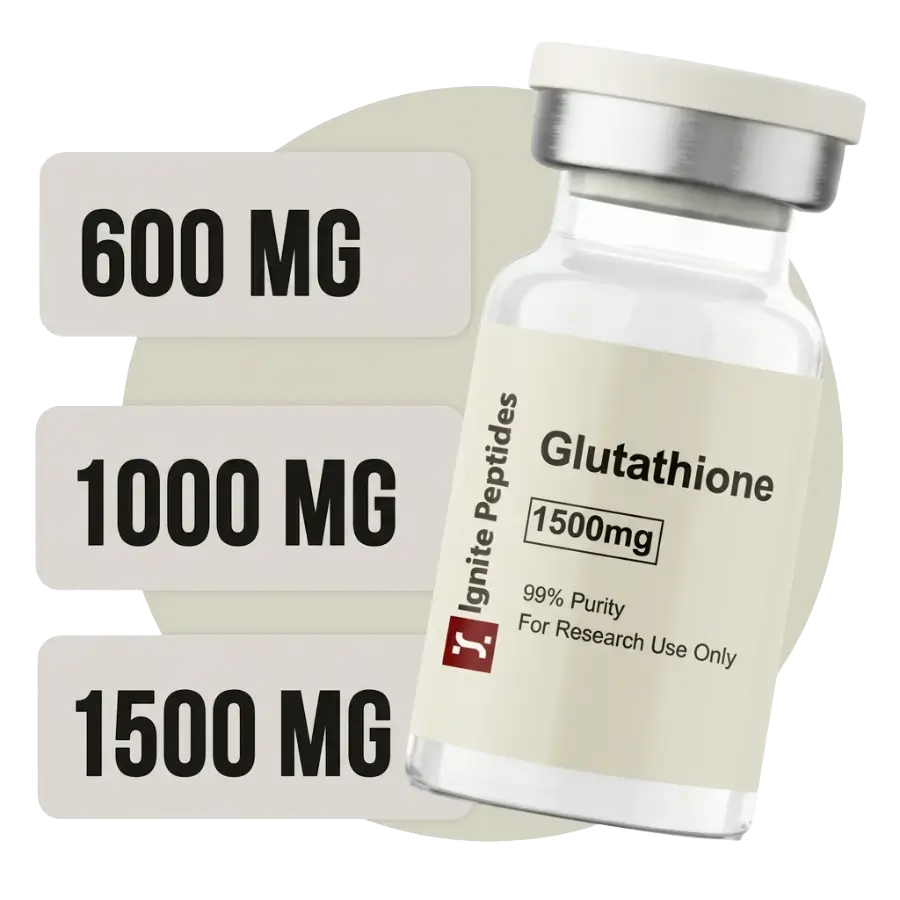
Select the total declared mass of Glutathione present in your vial before reconstitution. This value represents the lyophilized peptide content and is printed on the Certificate of Analysis (COA). Vials are commonly supplied in standard increments of 600 mg, 1000 mg, and 1500 mg. Each mass level produces a different concentration per mL, so choosing the correct vial strength is critical to accuracy during reconstitution.
For example, a 1000 mg vial reconstituted in the same volume of BAC water as a 1500 mg vial will yield a lower mL-to-dose ratio. Selecting the correct declared mass ensures the LOA/COA aligns with your reconstitution records.
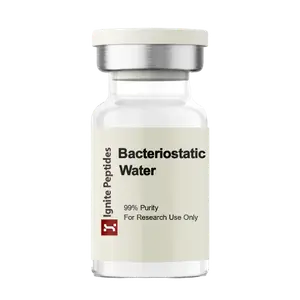
Enter the volume of bacteriostatic water added to the vial during reconstitution. This value directly determines the final concentration of the reconstituted solution. A lower volume of BAC water creates a more concentrated preparation (e.g., 100 mg/mL), while a larger volume results in a more dilute concentration.
For Glutathione, reconstitution in 5–10 mL of BAC water is common in research settings, as it provides a workable, multi-dose solution while maintaining peptide stability and minimizing per-administration draw volume. Using bacteriostatic water ensures enzyme-free delivery without the need for complex laboratory conditions. The volume you enter must comply with the stability requirements of the compound, the syringe capacity, and the concentration range defined in your study protocol.

After entering all values, the calculator determines the transfer volume in mL. The results display:
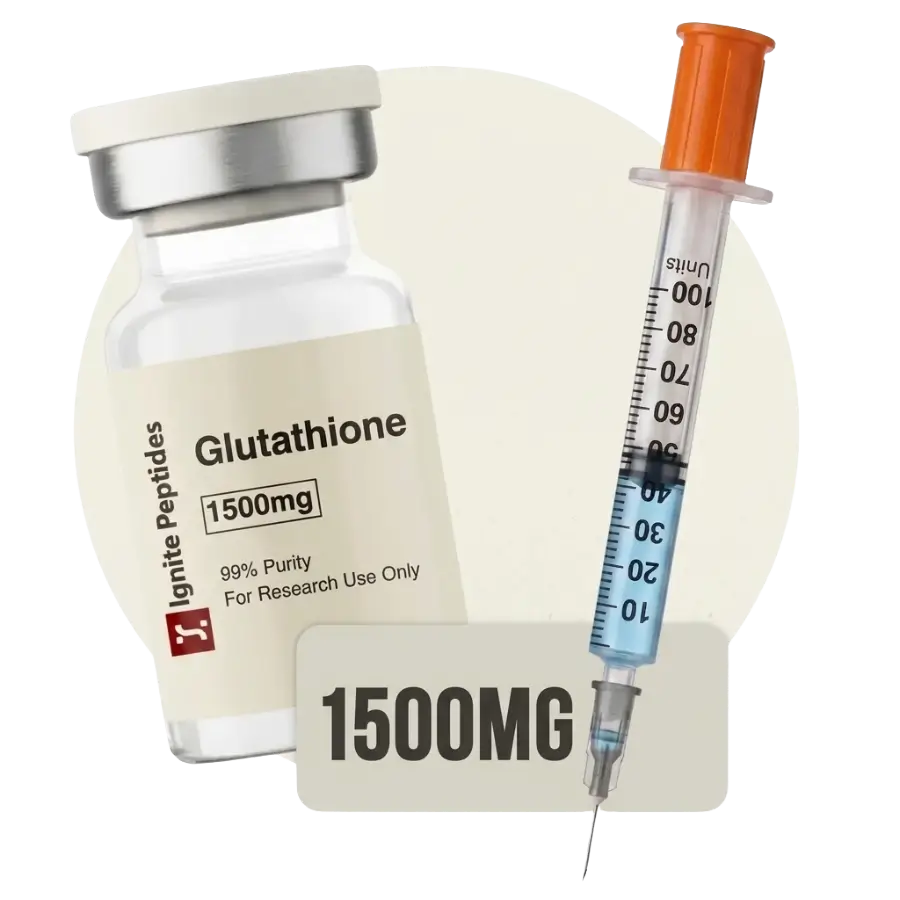
For a 0.5 mL (50-unit) insulin syringe, the calculated numeric volume (mL) corresponds automatically with the syringe scale. This helps reduce inaccuracies associated with manual calculations and dose estimations.
The Glutathione Dosage Calculator simplifies the reconstitution process by guiding the researcher through a precise calculation workflow. Instead of manually calculating dose volumes, syringe delivery increments, target dose, vial strength, and volume of bacteriostatic water, this tool removes guesswork and reduces the risk of measurement errors in laboratory settings. It supports proper preparation data and supports reliable research protocols.
For a deeper look at how Glutathione injections support immune function and overall health, explore our research article: Glutathione Injections: Benefits & Immune Support.
A quick answer to common questions about Glutathione dosage, reconstitution, and syringe measurements to help you understand how the calculator works and get accurate results for your research preparation.
Enter your body weight and supplement form (oral, IV, or liposomal) into an online glutathione dosage calculator. The tool estimates a safe daily dose. IV administration typically requires 600–1,200 mg, whereas oral intake generally ranges from 250–500 mg per day.
The recommended daily intake for glutathione supplements is 250–500 mg for oral forms. IV glutathione doses range from 600 to 1,200 mg per session. A glutathione dosage calculator helps match the dose to your health goals.
The best glutathione dosage calculator for IV treatments factors in body weight, infusion frequency, and health goals. Most IV protocols use 600–1,200 mg per session. Choose reliable, medical-grade tools that follow established clinical standards.
Choose anti-ageing as your goal when using a glutathione dosage calculator. The tool will suggest 500–1,000 mg daily depending on your supplement type. Liposomal glutathione is absorbed more efficiently than regular oral capsules, making it a better option for anti-ageing support.
Yes. Some health tracking apps include a glutathione dosage calculator. Apps like Cronometer and specialised wellness platforms track your glutathione intake and suggest doses based on your age, weight, and supplement form.
After using a glutathione dosage calculator, buy supplements from trusted sources like pharmacies, certified online retailers, or through a healthcare provider. Choose brands that offer third-party testing for purity and accurate labelling.
Browse our catalogue of lab-tested Glutathione solutions, including 600 mg, 1000 mg, and 1500 mg vials, alongside complementary antioxidant peptide compounds. Ignite Peptides is committed to delivering the most accurate resources to support researchers building reliable research investigations — with fast shipping and dedicated research support.
At Ignite Peptides, we provide a secure and reliable way to source high-quality research peptides online. As a trusted U.S.-based peptide supplier, we focus on lab-verified products, full transparency, and consistent quality. With fast shipping and responsive support, we’re committed to advancing safe, dependable research you can trust.
This helps us maintain strict standards for regulatory compliance, researcher verification, and responsible product access.