Same Day Shipping Satisfaction Guarantee Free UPS 2nd Day Air on orders over $150

GHK-CU Dosage Calculator

The most accurate resource built for research investigators. Instantly calculate concentration, dose volume, and syringe tick marks for your reconstituted GLP-1 (S) solution.

What size syringe are you using?

Insulin syringe 0.3ml 0.3 mL (30 units)
Insulin syringe 0.5ml 0.5 mL (50 units)
Insulin syringe 1ml 1.0 mL (100 units)
Dose

Dose of Peptide

1.0 mg = 1000 mcg (µg)
Strength

Peptide Strength

 
Reconstitution Solution

Reconstitution Solution

determines concentration

⚠️ Syringe Capacity Exceeded

The calculated dose requires more volume than the selected syringe can hold. Please select a larger syringe size or adjust your concentration.

Results

Peptide Dose: 4.0 mg
Concentration: 25.00 mg/mL
Volume to Draw: 0.16 mL
Volume to Draw (IU): 16.00 units
Experimental Reference Tier Dose Volume Units (U-100) Protocol Phase
Research Use Only. Laboratory reference tool.

How to Use the GHK-CU Reconstitution Calculator

Follow the steps below to calculate accurate reconstitution parameters for your GHK-CU research compound.

 
Step 1:

What GHK-CU Dose to Enter?

Enter the target GHK-Cu dose (mg) for your protocol. This value represents the amount of peptide in the reconstituted solution and is used as the base for all calculations.

GHK-Cu is a naturally occurring copper peptide studied for its role in tissue repair, skin health, and regenerative pathways. Accurate dosing ensures consistency and reliability across experimental results. To learn more, read our GHK-Cu Copper Peptide: Skin & Hair Benefits guide.

GHK-CU-100mg-1
GHK CU 100mg 2
Step 2:

Which Vial Strength?

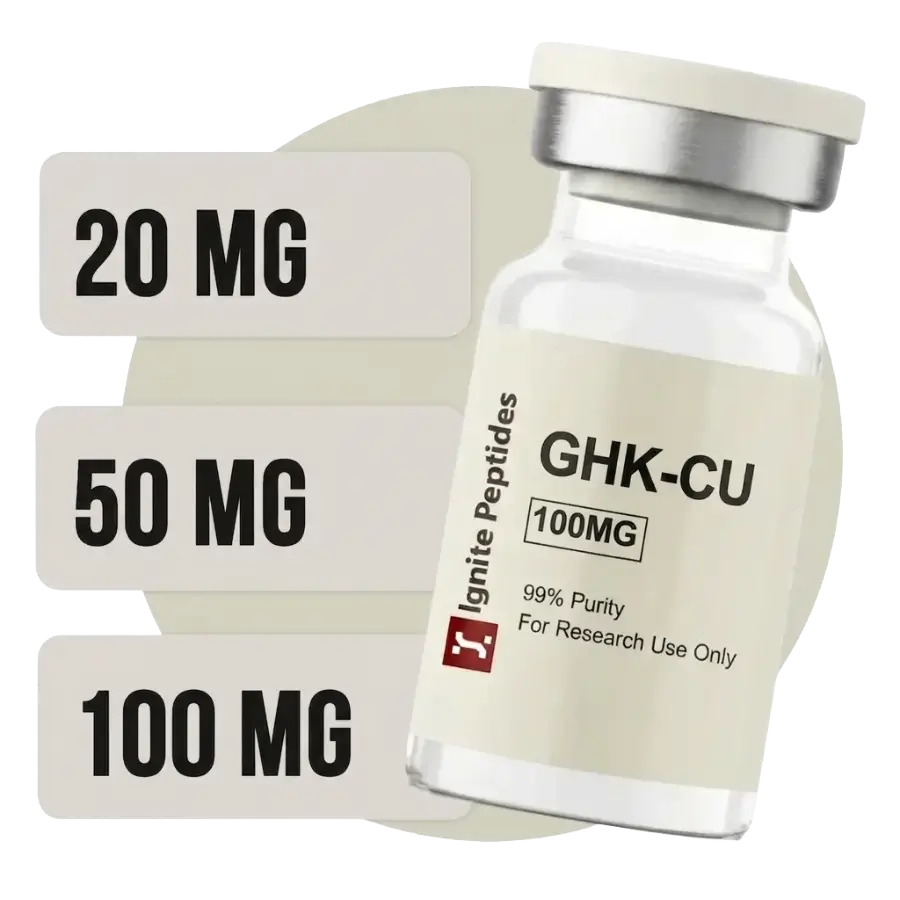
Select the total declared mass of GHK-CU present in your vial before reconstitution. This value represents the lyophilized peptide content and is printed on the Certificate of Analysis (COA). Vials are commonly supplied in standard increments of 20 mg, 50 mg, and 100 mg. Each mass produces a different concentration depending on how much bacteriostatic water is added during reconstitution.

For example, a 100 mg vial reconstituted in the same volume of BAC water as a 50 mg vial produces a higher concentration per mL, meaning each unit drawn delivers more compound. Choosing the correct vial strength ensures accurate concentration results. Use the labelled vial amount and always confirm the correct declared mass before starting reconstitution.

Step 3:

How Much BAC Water?

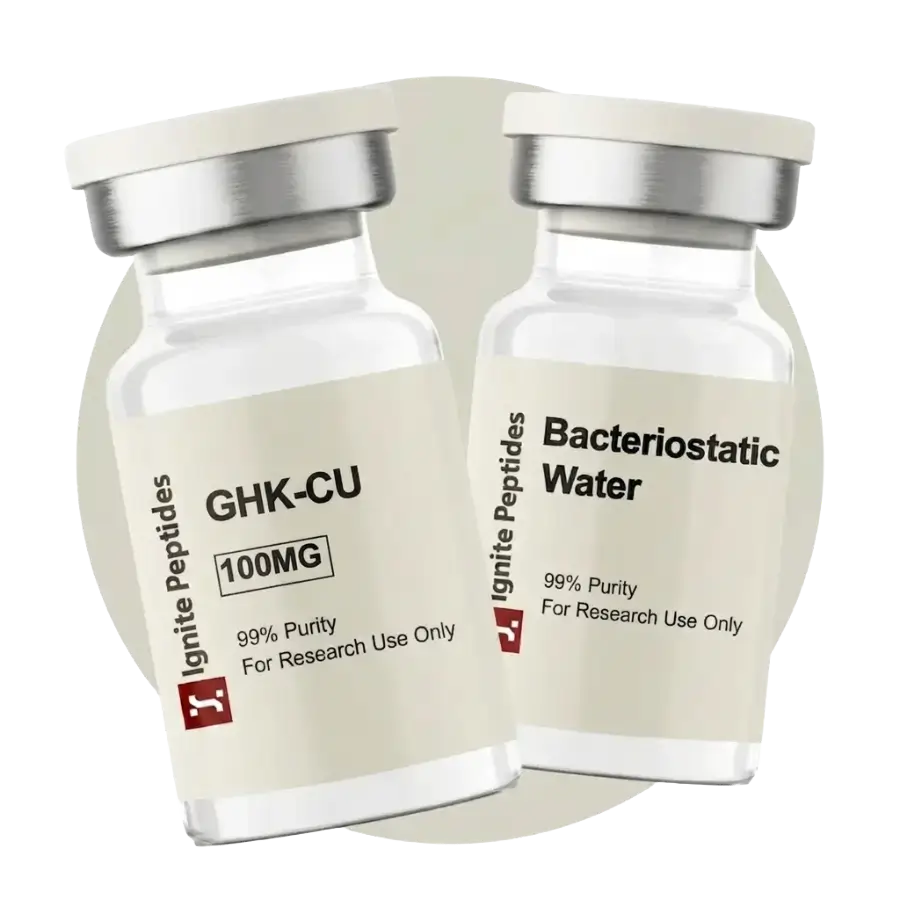
Enter the volume of bacteriostatic water added to the vial during reconstitution. This value directly determines the final concentration of the reconstituted solution. Lower volumes create a more concentrated preparation, while higher volumes produce a more dilute preparation. Bacteriostatic water is a sterile solution that contains 0.9% benzyl alcohol as a preservative, it is commonly used for reconstituting lyophilized peptides because it allows multi-dose drawing safely, while maintaining microbial stability over time.

For GHK-CU, reconstituting 50 mg with 2 mL of BAC water creates a solution concentration of 25 mg/mL. The calculator uses this concentration to calculate all draw volumes. It ensures accurate dose delivery without the need for manual formula calculations, and ensures compliance with the stability requirements of the compound and the concentration range defined in your future protocol.


GHK-CU-100mg-3
GHK-CU-100mg-4
Step 4:

What Units to Draw?

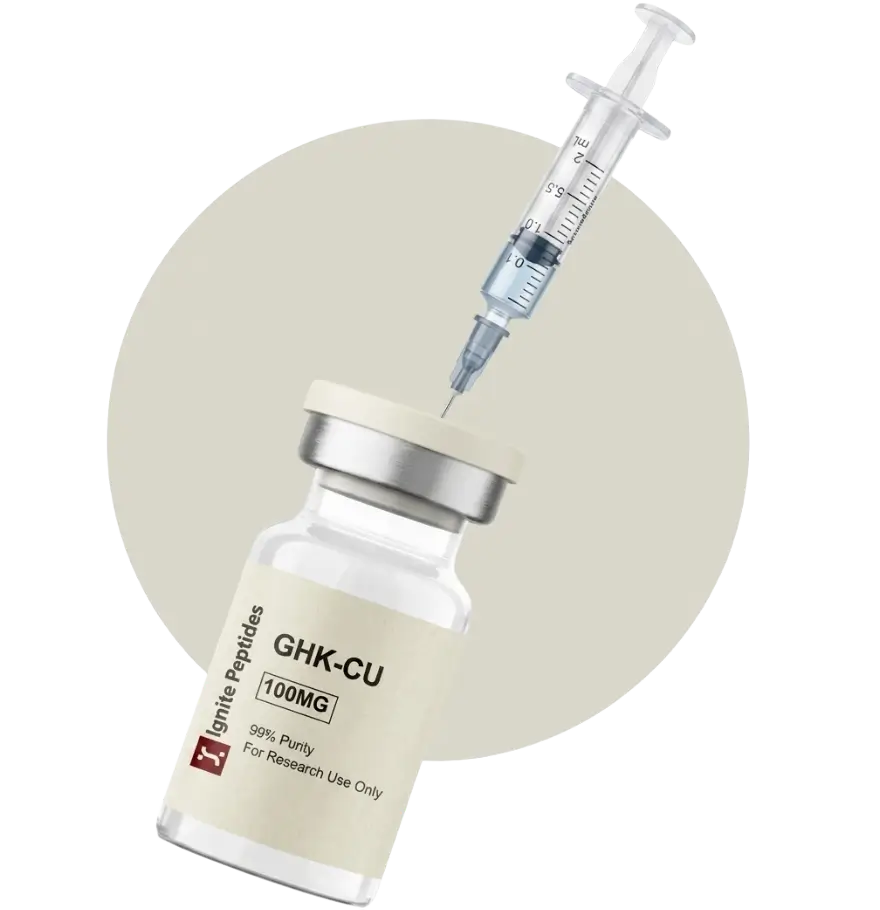
After entering all values, the calculator determines the injection volume in mL. Other columns like IU values and IU readings follow automatically.

The results display:

  • The target research dose (mg)
  • The recommended draw volume (mL/units)
  • The calculated draw volume (mL)
  • The corresponding syringe tick marking for accurate liquid preparation
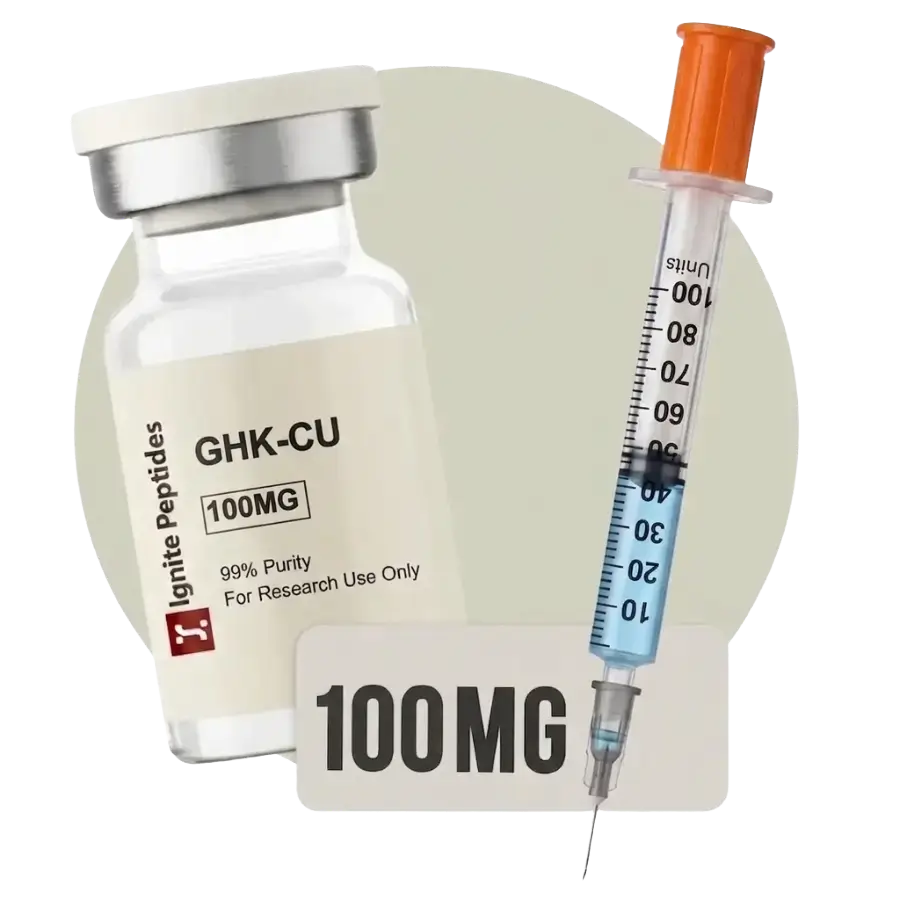
  • For a 0.5 mL (50-unit) insulin syringe, the calculated numeric volume (mL) corresponds automatically with the syringe volume. This ensures accurate correspondence between liquid preparations and dose across all experimental reference tiers.

For additional accuracy, downsized parameters are incremented to two decimal places. The Peptide Intake Calculator can also be used for validation.

GGHK-CU Dosage Calculator Summary

The GHK-CU Dosage Calculator simplifies peptide preparation by guiding the researcher through a precise calculation workflow. Instead of doing manual math, researchers can quickly determine solution concentration, exact draw volume, and syringe markings for each preparation step. By entering your target dose, vial strength, and volume of bacteriostatic water, the tool removes guesswork and reduces the risk of measurement errors in laboratory settings. It supports proper preparation data and supports reliable research protocols.

FAQs

Common Questions About GHK-CU Dosage

A quick answer to common questions about GHK-CU dosage, reconstitution, and syringe measurements to help you understand how the calculator works and get accurate results for your research preparation.

Are there apps that include a GHK-Cu dosage calculator for skin treatments?

Yes. Some peptide research apps and skincare platforms include a GHK-Cu dosage calculator for skin treatments. These tools adjust dosage recommendations based on application method, concentration, and treatment goals like anti-ageing or wound healing.

To calculate the right GHK-Cu dose for anti-ageing therapy, use a dosage calculator that factors in your body weight and application method. Typical topical concentrations range from 1–5%. In research settings, injectable doses typically range from 1 to 2 mg.

A reliable GHK-Cu peptide dosage calculator should factor in concentration, body weight, and administration route. Topical creams use lower doses than injectable forms. Use a research-grade peptide calculator for accurate measurements.

Many peptide research providers include GHK-Cu dosage calculators on their websites. These tools determine the correct dose based on vial concentration, desired mcg, and total treatment volume.

Yes. Some compounding pharmacies and peptide research services offer custom GHK-Cu dosage calculations. They consider your treatment goals, skin condition, and application frequency to provide a personalised dosage recommendation.

Enter your GHK-Cu vial concentration and target dose into the calculator. For hair regrowth, topical applications of 1–2 mg/mL are common. Solution volume is calculated based on your chosen concentration.

According to calculator estimates, GHK-Cu is commonly used at 1–2 mg per injection in research settings, and at 1–5% strength for topical use. Correct dosing depends on your goal, target area, and delivery method.

Still need help? Contact us.
Ready to Start Your Research?

Elevate Your Research with GHK-CU

Browse our catalogue of lab-tested GHK-CU (Copper Peptide) solutions, including 20 mg, 50 mg, and 100 mg lyophilized vials, alongside complementary tissue-regenerative and wound-healing research peptides. Ignite Peptides is committed to delivering the most accurate peptide solutions and supporting reliable research investigations with fast shipping and dedicated research support.

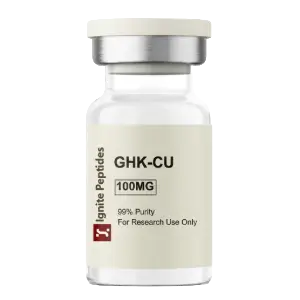
GHK-Cu 100mg peptide vial by Ignite Peptides, displaying lab-tested certification, 99% purity, chemical details, and research-use-only labeling.
Or
Remember me

Lost your password? | Don’t have an account? Register

Or
Name
Password
Note: If you did not receive the confirmation email, please check your spam folder.
Or
Remember me

Lost your password? | Don’t have an account? Register

Or
Name
Password
Note: If you did not receive the confirmation email, please check your spam folder.