
How Do Peptides Work? The Biochemistry Behind Research Compounds
Right now, your body is awash in peptides. The insulin


Peptide reconstitution is the process of turning a dry peptide powder into a liquid solution. Peptides are supplied in powder form to keep them stable for longer periods. This form helps protect their structure and quality.
Reconstituting peptides the correct way is important. Mistakes can damage the peptide or introduce contamination. Using sterile Peptides tools and proper handling reduces these risks. This guide explains safe peptide reconstitution for educational purposes only.
Many people look for clear and simple information on how to reconstitute peptides. The topic can seem confusing at first.
Peptides often come as a dry powder. We do this to protect them during storage and transport. Before researchers or learners can use them, they must mix them the right way. Reconstitution is not just about mixing. Doing it safely and carefully is important.
Small mistakes can affect peptide quality. Poor handling can also lead to contamination or damage. That is why understanding the basics is important before starting.
This guide explains peptide reconstitution in an easy way. It focuses on safety, cleanliness, and best practices. The goal is to help you understand the process without using complex terms or risky instructions.
Peptide reconstitution is the process of changing a peptide from a dry powder into a liquid form. Most peptides are freeze-dried to keep them stable over time. In this state, they are less likely to break down or lose quality.
To reconstitute a peptide, you add a liquid so the powder dissolves evenly. This creates a usable solution while helping the peptide keep its structure. The goal is not speed, but care and control during the process.
This step matters because peptides are sensitive. Rough handling or poor conditions can affect their integrity. Understanding what reconstitution means helps set the foundation for safe and proper peptide handling.
Proper handling plays a crucial role in peptide quality. When researchers do not reconstitute peptides correctly, they can lose stability or become less effective. This is why learning how to Reconstitute Peptides the right way is so important, even for basic understanding.
Peptides are sensitive to their environment. Poor mixing, contamination, or incorrect storage can damage them. Once damaged, peptides may not perform as expected. Sometimes, they may have to throw them away.
Careful reconstitution also helps maintain consistency. A well-prepared solution is more reliable and easier to manage. Taking time during this step supports safety, accuracy, and long-term stability.

Before starting, it is important to have the right items ready. Being prepared helps reduce mistakes and lowers the risk of contamination. A clean setup also protects peptide quality.
Most peptide reconstitution setups include a few basic items. These are commonly referenced for educational understanding:
The surroundings are just as important as the equipment. Working on a clean surface and avoiding distractions can make the process safer. Good preparation supports better handling and helps protect the peptide from damage.
Reconstituting peptides is not about rushing the process. The focus is on control, cleanliness, and gentle handling. Following basic safety principles helps protect the peptide and reduces the chance of problems later.
Ensure both your hands and work surface are sanitized before you begin. Wipe down surfaces before you begin. Keep vials sealed until you need them. Avoid touching vial openings or tool tips, as this can introduce contaminants.
Try to work in a calm setting. Sudden movements or distractions can lead to spills or mistakes. A steady approach supports safer handling and better outcomes.
Peptides should dissolve slowly and evenly. Gentle movement helps the powder mix without stress. Shaking or rough motion can damage delicate structures and reduce quality.
Patience matters during this step. Allow the powder to fully dissolve on its own. Clear, even solutions indicate that someone has handled the peptide with care.
Many issues happen when small details are overlooked. Being aware of common mistakes can help protect peptide quality and prevent waste.
One frequent mistake is rushing the process. Peptides need time to dissolve properly. Moving too fast can lead to uneven mixing or damage.
Another issue is poor cleanliness. Working on unclean surfaces or using contaminated tools increases the risk of problems.
Improper handling is also common. Rough movement, shaking, or repeated exposure to air can affect stability. Storage mistakes after reconstitution can cause peptides to break down sooner than expected.
Avoiding these errors helps maintain consistency and safety. Careful attention at each step supports better results and longer peptide stability.
Knowing when How to Reconstitute Peptides should not be done is just as important as knowing how to do it. Not all peptides are safe to reconstitute under certain conditions, and ignoring this can affect quality or stability.
Do not attempt reconstitution if the powder looks unusual or discoloured. Damaged or broken vials are also unsafe to use. Avoid peptides that someone has stored improperly or that have passed their recommended storage period. These signs indicate that the peptide may no longer be reliable.
Seeing these warning signs keeps the peptide safe. It also ensures that we create only stable, high-quality solutions.

Once you reconstitute peptides, their stability can change. The duration of a peptide depends on how someone handles it, the environment, and the type of peptide. Proper care helps maintain its quality for as long as possible.
Factors such as temperature, light, and exposure to air can shorten peptide stability. Keeping the solution in a clean, controlled setting supports longer usability. While exact timelines vary, careful handling and storage always improve results.
Understanding these factors helps plan for safe use and reduces the chance of degradation. Knowing the limits of stability is a key part of proper peptide management.
Recognizing when a peptide solution may no longer be reliable is important. Degraded peptides can lose effectiveness or change in ways that make them less useful.
Common signs include changes in colour or clarity. The solution might look cloudy or have small particles. Unusual odours or unexpected sediment can also indicate problems. Storage conditions, such as exposure to heat or light, often play a role in degradation.
Spotting these changes ensures that only stable peptides get used. Careful observation protects the quality and safety of the reconstituted solution.
Proper storage is key to keeping reconstituted peptides stable and effective. The right environment helps prevent degradation and maintains quality for as long as possible.
Store peptide solutions in a cool, dry place away from direct light. Do not leave it out at room temperature for too long. Always use clean, sealed containers to reduce exposure to air or contaminants. Labelling the solution with the date of reconstitution can also help track its usability.
By following these storage rules, you can keep the peptide stable. This helps ensure it remains reliable for research or education.
Not sure where to start? Browse our Shop By Categories page to find exactly what you need for reconstitution.
Proper reconstitution is about turning a dry peptide powder into a solution carefully and safely. You should do it slowly, mixing gently with clean tools and a suitable liquid. The goal is to dissolve the powder evenly while keeping the peptide stable and uncontaminated.
Not all peptides need reconstitution right away. Some companies sell them as a ready-to-use liquid. Most manufacturers offer them as a dry powder for longer stability. You only need to reconstitute the powdered peptides when you are ready to use them.
Peptides are typically mixed with a clean, suitable liquid designed to preserve their stability. This ensures the peptide dissolves properly and stays effective. The key is to use a solution that you find compatible and safe for the type of peptide you handle.
Generally do not recommend regular water because it may contain impurities. Using a clean, sterile solution is safer and helps maintain peptide stability. Proper handling reduces the risk of contamination or reduced effectiveness.
Dilution depends on the peptide type and its intended use. Some require dilution to create a usable solution, while others remain concentrated enough when reconstituted. Prepare the peptide according to its stability and intended use.
Mixing peptides can be safe if done carefully with the right solution and tools. Avoid rough handling, contamination, or mixing incompatible peptides. Safe practices help maintain stability and prevent damage.
Do not mix peptides with substances that can affect their structure or stability. Avoid using impure liquids or combining with other chemicals unless verified safe. Keeping peptides in the correct solution preserves their effectiveness.
Basic materials include a peptide vial, a liquid for mixing, clean syringes or tools, and a clean workspace. Preparation and a calm, organized environment help ensure proper handling and prevent mistakes.
Right now, your body is awash in peptides. The insulin
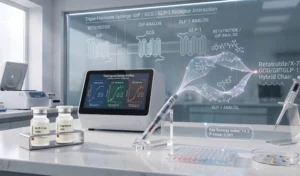
CagriSema is Novo Nordisk’s investigational fixed-dose combination of cagrilintide 2.4
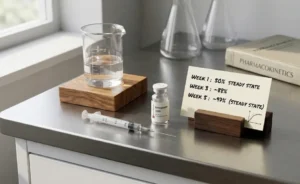
Semaglutide is one of the most studied GLP-1 receptor agonists
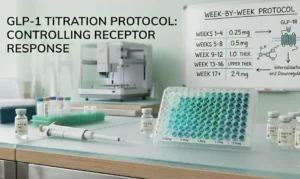
Introduction Designing a precise GLP-1 titration schedule is one of
 Sign In to Google