
CagriSema Research: Combining Cagrilintide and Semaglutide Dosing
CagriSema is Novo Nordisk’s investigational fixed-dose combination of cagrilintide 2.4


Many people struggle with low energy. For some, it is simply exhaustion at work. For others, it manifests as a slow recovery after exercise or persistent brain fog. No matter how it looks, low energy affects both performance and quality of life.
Quick fixes like coffee, energy drinks, or sugar give a short boost. But the effect doesn’t last. Not long after the energy drops again, the cycle continues.
Peptides offer a different approach to achieving sustainable energy. Unlike stimulants, peptides do not force the body into overdrive. Instead, they help restore balance so energy feels steady and natural. This makes them a powerful tool for athletes, busy professionals, and anyone seeking lasting vitality through peptides for energy.
In this guide, we’ll explore the role of peptides in energy. You’ll learn which ones are most effective, how they work, and who may benefit. We’ll also look at safe use and practical tips for getting started.
Disclaimer: This article is for educational purposes only. Always consult a good healthcare provider before using peptides.
Energy is not just one thing. It shows up in different forms, depending on what your body and mind need. To understand how peptides may help, let’s look at four main types of energy.
Energy flows from your cells, at the most basic level. Tiny structures called mitochondria turn food into ATP, the fuel your body runs on. Your body achieves peak alertness when your mitochondria operate at their optimal capacity. When they are weak, fatigue sets in even if you’re resting.
Physical energy is about stamina and how quickly you bounce back. Long workouts, busy schedules, and stress drain your system. If your muscles don’t repair efficiently, you feel sore, tired, and less motivated. Supporting recovery means more lasting endurance.
Mental sharpness is another form of energy. Focus, clarity, and stress resilience all come from balanced brain chemistry. When your mind is foggy or stressed, it feels like you’re running out of energy, no matter how much you sleep.
Hormones serve as natural control mechanisms which operate within the human body. Growth hormone, together with thyroid hormones and insulin, affects your body’s capability to process fuel and its recovery mechanisms. Hormonal equilibrium produces a constant metabolic state that produces ongoing energetic output. Hormonal imbalances tend to cause ongoing tiredness together with decreased physical efficiency.
In short, energy is more than just staying awake. It’s a mix of cellular power, recovery, mental clarity, and hormone balance, and this is where peptides can make a real difference.
There are many different peptides for energy, and each works in its own way. Some act on mitochondria, others improve hormones, and many help with recovery. Below are the most recognized options, grouped by how they support energy and performance.
The mitochondrial function is working with your cells. It helps your body use glucose more efficiently and improves metabolic flexibility. Many people report better stamina and less fatigue with consistent use.
This peptide blocks an enzyme that slows metabolism. By turning that “brake” off, it helps your body burn fat more effectively and release energy. It’s often explored for weight management and sustained energy support.
Although not technically a peptide, it is often discussed in conjunction with them. Cardarine supports fatty acid oxidation, which means your body uses fat for fuel more efficiently. The result is extended stamina and improved endurance capabilities.
This peptide works to stimulate the release of natural growth hormone. More growth hormone can improve sleep quality, repair, and recovery, all of which translate into better energy the next day.
Known for its role in reducing visceral fat, Tesamorelin also improves metabolism and helps the body use fuel more effectively. This can mean more consistent energy levels throughout the day.
Renowned for its healing properties, BPC-157 promotes tissue repair and combines anti-inflammatory effects. Faster recovery means less energy wasted on healing and more available for performance.
The peptide serves a dual role by accelerating the healing process and aiding muscle recovery. Athletes often use it to speed up recovery after intense training and to support endurance over time.
AOD-9604 originally served as a weight management tool, yet it now supports fat breakdown. By improving how the body uses fat for energy, it can contribute to metabolism and stamina.
Not technically a peptide, but worth mentioning. The molecule NAD+ serves as an essential coenzyme which drives energy creation inside mitochondria. Higher NAD+ levels often translate into better cellular performance and reduced fatigue.
In short, the right peptides for energy can work on multiple levels, helping your cells, hormones, muscles, and even brain function to perform at their best.

Peptides support energy by acting on several key systems in the body. Here are the main ways they work:
ATP is the main fuel your cells run on. Peptides like MOTS-c help mitochondria, the tiny power plants in your cells, make more ATP. More ATP means more usable energy for your body and brain.
Some peptides shift the body toward burning fat for fuel instead of relying only on sugar. It provides a consistent source of energy, meaning no more sugar crashes!
Growth hormone and other hormones play a big role in energy. CJC-1295 and Ipamorelin act as peptides that help restore hormonal balance. This leads to better recovery, improved sleep, and steady daily stamina.
Healing takes energy. Peptides like BPC-157 and TB-500 help with tissue repair and decrease inflammation. Faster recovery frees up energy for performance instead of being spent on constant repair.
In short, peptides for energy don’t work like stimulants. Instead, they make your body more efficient.
Peptides often work best when combined. The right stack can target different areas of energy at the same time. Here are a few simple strategies:
Important Note: Stacks should always be customized. Age, health status, and goals matter. Work with a qualified healthcare provider before starting any peptide protocol.
Peptides can be powerful tools, but safety should always come first. The following important elements should remain in your memory:
In short, peptides for energy can be safe and effective, but only when used under the right guidance.
Not everyone needs peptides, but many people may see benefits. Here are the groups that often explore them:
Peptides help with stamina, recovery, and endurance. Athletes who use these substances can train more intensely and recover at a quicker pace.
Long workdays demand focus and steady energy. Peptides may support mental clarity and reduce fatigue from stress.
Energy often declines with age due to lower hormone levels and weaker mitochondria. Peptides can help restore vitality and balance.
Healing takes energy. Peptides that speed up repair can free up energy for daily life.
Some use peptides for energy as part of a long-term health plan. They may support metabolism, brain function, and overall vitality.
Always remember: the benefits vary from person to person. A healthcare provider can help decide if peptides are the right choice.
Hearing how others respond to peptides can make the science more real. Many people commonly experience these particular experiences:
While experiences are positive, results can vary. What works for one person may not feel the same for another. This is why medical guidance is important.
Peptides designed for energy function as a distinctive method to enhance stamina, along with focus and recovery through their deep bodily operations. The substances boost cellular power production while regulating hormonal equilibrium and accelerating tissue repair processes. The peptides establish lasting energy stores that improve daily activities while sustaining enduring health benefits.
A peptide treatment requires a combination of consistent sleep patterns, adequate nutrition, and regular physical activity to achieve its full potential. Medical supervision enables these compounds to deliver safe, effective energy and vitality solutions for athletes, professionals, and older adults.
MOTS-c is often used for fatigue. It boosts mitochondrial function and helps cells produce more energy. CJC-1295 with Ipamorelin also supports exercise recovery and reduces fatigue.
MOTS-c is best known for energy. It helps the body produce more ATP, which fuels stamina and daily activity.
BPC-157 does not directly raise energy. It speeds healing and lowers inflammation, which can make you feel more active.
Yes, but indirectly. CJC-1295 improves growth hormone release. This particularly supports sleep, exercise recovery, and metabolism, leading to improved energy.
Some injections, such as MOTS-c or CJC-1295 with Ipamorelin, may help boost energy. Results depend on health, dosage, and medical guidance.
Yes. Peptides enhance mitochondrial function, regulate hormone balance, and accelerate recovery. They work best with good sleep, nutrition, and exercise.
MOTS-c is the most effective for energy. For long-term vitality, CJC-1295 with Ipamorelin is also very useful.
Extreme fatigue can happen when the body’s energy system slows down. In research, vitamin B12, CoQ10, and L-carnitine are studied for energy support. Peptides such as MOTS-c and NAD+ may help boost energy by improving how cells produce and use energy. These are often researched for their role in reducing tiredness and improving recovery.
Some peptides may help support mood in studies. Selank is being researched for its calming and stress-relieving effects. Semax may help improve focus and mental clarity. Both are nootropic peptides that may support brain function and balance mood in research models.
Joe Rogan has talked about BPC-157 and Ipamorelin. These peptides are studied for recovery and energy support. Researchers examine how they may support healing, muscle repair, and endurance. They are popular in wellness discussions but are for research use only.
Several peptides are studied for healthy aging. Epitalon, Thymalin, and GHK-Cu may help support cell repair and skin health. NAD+ is studied for its potential to boost energy and protect cells. These peptides are not approved for medical use but are studied for their anti-aging potential.
References
1. Lee, C., et al. (2015). The mitochondrial-derived peptide MOTS-c promotes metabolic homeostasis and reduces obesity and insulin resistance. Cell Metabolism, *21*(3), 443-454. Cell Metabolism Journal
2. Teichman, S. L., et al. (2006). Prolonged stimulation of growth hormone (GH) and insulin-like growth factor I secretion by CJC-1295… The Journal of Clinical Endocrinology & Metabolism, *91*(3), 799-805. The Journal of Clinical Endocrinology & Metabolism
3. For TB-500 (Thymosin β4):
Smart, N., Risebro, C. A., Melville, A. A., Moses, K., Schwartz, R. J., Chien, K. R., & Riley, P. R. (2007). Thymosin β4 induces adult epicardial progenitor mobilization and neovascularization. Nature, *445*(7124), 177-182. Nature
(For: “This peptide serves a dual role by accelerating the healing process and aiding muscle recovery.”)
CagriSema is Novo Nordisk’s investigational fixed-dose combination of cagrilintide 2.4

Semaglutide is one of the most studied GLP-1 receptor agonists
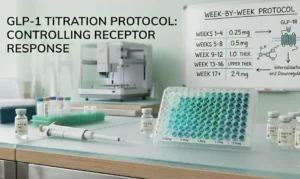
Introduction Designing a precise GLP-1 titration schedule is one of
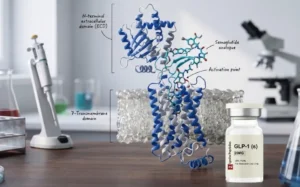
Introduction Research on the GLP-1 mechanism is one of the
 Sign In to Google