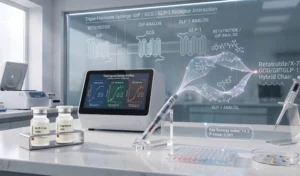
CagriSema Research: Combining Cagrilintide and Semaglutide Dosing
CagriSema is Novo Nordisk’s investigational fixed-dose combination of cagrilintide 2.4

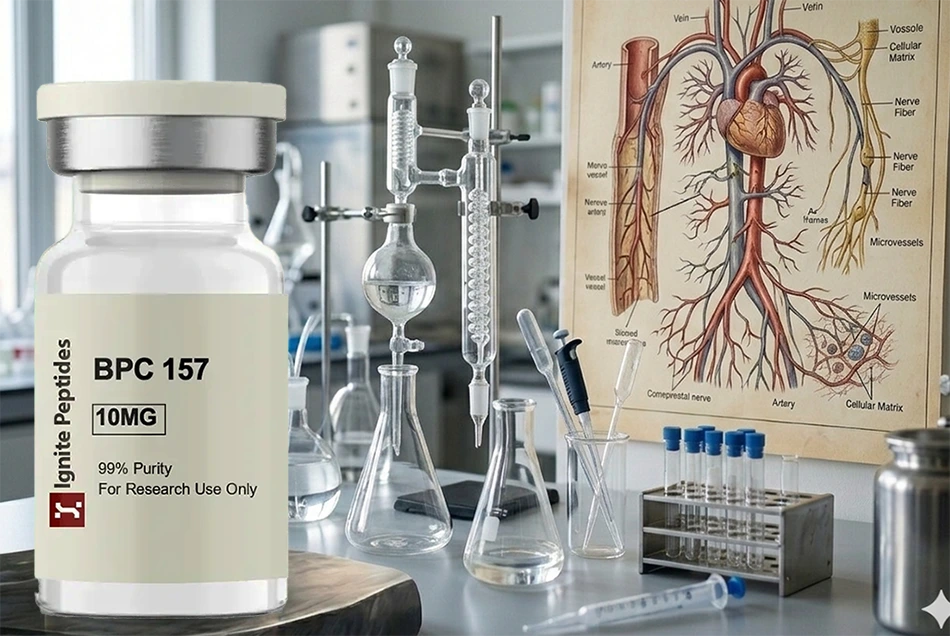
BPC-157, a peptide, has gained attention in the scientific community. This compound aids in healing and tissue repair. This compound is sometimes referred to as a regenerative peptide. It is being studied closely by researchers because it could help repair muscles and tendons.
This article examines the reasons why experts believe BPC-157 is a transformative regeneration agent. We will examine how it works, the research underlying it, its potential applications, and why it differs from other peptides. You will learn why modern research is essential to this healing peptide.
BPC‑157 is a small chain of amino acids called a peptide. It comes from a natural protein in the stomach called the Body Protection Compound (BPC). Scientists developed BPC‑157 to study its effects on healing.
Researchers refer to this peptide as a regenerative peptide. It may help repair muscles, tendons, ligaments, and other tissues. Most researchers conduct studies in animals. They show that BPC‑157 can support faster tissue repair.
A laboratory-grade peptide produced under controlled conditions for research purposes. Researchers are extremely interested in it. BPC‑157 works in a different way than other treatments. That is why people call it a game-changer in healing research.
BPC‑157 is a regenerative peptide that can support the body’s natural healing process. It works in several ways to promote faster and stronger tissue recovery. Researchers are studying it because it differs from conventional treatments.
One of the main mechanisms by which BPC‑157 promotes healing is its angiogenic activity. This means it encourages the growth of new blood vessels in damaged areas.
More blood vessels bring oxygen and nutrients to the injured tissues. This facilitates the repair of wounds, muscles, and tendons. This is why researchers consider BPC‑157 a potent peptide for tissue repair.
BPC‑157 also affects fibroblasts, which are the cells responsible for producing collagen. Collagen is a key protein that gives strength to muscles, ligaments, and tendons. By activating fibroblasts, BPC‑157 promotes tissue repair and increases strength. This property is one reason why it is called a healing peptide.
Inflammation can slow down the healing process. Studies have shown that BPC‑157 reduces inflammation in injured tissues. This helps reduce pain and swelling. With less inflammation, muscles and connective tissues recover more efficiently.
BPC‑157 is not only helpful for muscles and ligaments. It also protects the digestive system. Research suggests it can help heal ulcers and support the lining of the stomach and intestines. This makes it a versatile regenerative peptide that benefits multiple tissues.
BPC‑157 has been studied primarily in animal models. These studies show it has strong healing and regenerative effects. Scientists refer to it as a regenerative peptide because of these results.
In many animal studies, BPC‑157 has been shown to accelerate the repair of muscles, tendons, and ligaments. For example:
BPC‑157 also reduced swelling and inflammation in these studies. It supported tissue repair without causing major adverse effects. These results demonstrate that it functions as a peptide for tissue repair.
Research also tested BPC‑157 on the digestive system. In animals with stomach or intestinal injuries, it helped:
This shows that BPC‑157 is a versatile healing peptide.
Currently, there is extremely limited research on humans. Laboratory and animal research provide a significant portion of our understanding. However, the early results suggest potential benefits for tissue repair and regeneration. Researchers are hopeful that future studies will confirm these effects in humans.
The evidence indicates that BPC‑157 acts in multiple regions of the body. Its ability to help healing, lower inflammation, and protect tissues makes it one of the most studied peptides today.

BPC‑157 is a regenerative peptide with many potential uses in research. Scientists study it to determine how it supports healing across different tissues.
BPC‑157 helps tendons and ligaments recover from injuries. Studies indicate that it can enhance the flexibility of these tissues. This makes it a promising peptide for musculoskeletal tissue repair.
Muscle injuries may require an extended recovery period. BPC‑157 may speed up recovery by promoting tissue growth and reducing inflammation. Researchers consider it a useful healing peptide for studying muscle repair.
Early research suggests BPC‑157 may help nerves heal after injury. It supports nerve growth and reduces inflammation around damaged nerve tissues. This expands its role as a regenerative peptide beyond muscles and ligaments.
Researchers also study BPC‑157 for gastrointestinal health. It can help heal ulcers and protect the digestive lining from damage. This makes it a versatile regenerative peptide for multiple research areas.
Researchers value BPC‑157 because it acts across multiple tissue types. Its effects on healing, inflammation, and tissue protection make it a powerful tool in lab studies. Using BPC‑157 as a lab-grade peptide ensures consistent and reliable results.
BPC‑157 is a regenerative peptide used mainly in scientific research. The FDA has not authorised it for use in humans. This means researchers should handle it only in laboratory settings under strict protocols.
Studies in animals suggest BPC‑157 is generally safe. It did not cause serious side effects in these tests. However, there is extremely limited data on its effects in humans. Researchers must handle it carefully and adhere to safety guidelines to minimise risk.
BPC‑157 is considered a research chemical in many countries. They cannot legally sell it for human consumption. Scientists and labs need to know this before using it in their experiments. Using lab-grade BPC‑157 ensures quality and consistency, thereby supporting reliable research results.
Because it is a powerful regenerative peptide, proper handling is essential. Following lab rules and safety measures helps ensure experiments are accurate and safe.
BPC-157 is widely regarded as a breakthrough because it promotes healing across multiple tissues. It promotes self-repair in various ways, unlike many other peptides. It is a leading regenerative protein in research.
BPC-157 helps to repair muscles, tendons and ligaments. It protects digestion. Unique in its ability to affect different tissue types.
This peptide stimulates collagen production, reduces inflammation, and promotes blood vessel development. Together, these effects help to recover injured tissues. This is important for researchers because it enables them to study peptides with clear results.
BPC-157 has been studied extensively. Researchers can use BPC-157 in studies of muscle injuries, ligament healing, nerve regeneration, and gut protection. Its versatility makes it an excellent candidate for future regenerative medicine studies.
BPC-157 is preferred by scientists because it’s pure and consistent. Preclinical studies have demonstrated a consistent healing effect.
BPC-157, a regenerative peptide, is the key takeaway. It promotes healing and research in a variety of tissues. Experts consider this a breakthrough in regenerative medicine.
BPC-157 has a high regenerative power. It helps repair muscles, tendons and ligaments as well as nerves and the digestive tract. It may promote tissue growth, reduce inflammation and aid in recovery.
Most researchers conduct studies on animals. The results are promising and will inform future research. BPC-157 is a tool used by scientists to study tissue regeneration and repair. Its ability to work in multiple tissues makes this a transformative drug.
BPC-157 is a high-quality peptide that can be used in labs to ensure reliable and quality results. The therapeutic potential of this peptide continues to attract attention.
CagriSema is Novo Nordisk’s investigational fixed-dose combination of cagrilintide 2.4
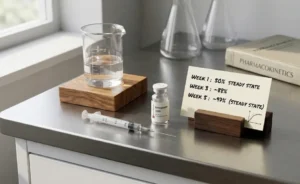
Semaglutide is one of the most studied GLP-1 receptor agonists
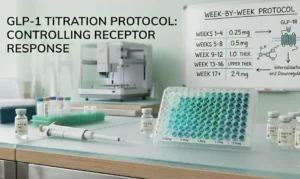
Introduction Designing a precise GLP-1 titration schedule is one of
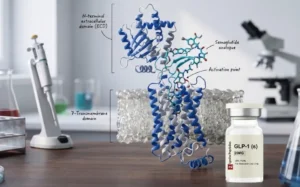
Introduction Research on the GLP-1 mechanism is one of the
 Sign In to Google