
How Do Peptides Work? The Biochemistry Behind Research Compounds
Right now, your body is awash in peptides. The insulin


The risks of using unapproved peptides are real and rising fast. Many people look to peptides for fitness, healing, or anti-ageing. However, buying them from unregulated sources can pose serious risks. This guide explains what peptides are and why they’re popular. It also reveals the hidden dangers of using disallowed peptides that every buyer should be aware of.
Peptides are small chains of amino acids. They act as messengers in the body. It helps cells talk to each other. They trigger healing, hormone release, and other body functions.
Researchers love peptides. They’re studying them for wound healing, muscle repair, and even weight loss. Fitness enthusiasts also talk about peptides. Many hope they’ll help with faster recovery or better results.
Well‑known examples include BPC‑157, TB‑500, Melanotan II, and Cagrilintide. Each has unique roles. For example:
These peptides are powerful research tools. But they’re also sold online for personal use. And that’s where the trouble begins.

People want quick results. Peptides online seem easy to get. No doctor visits. No questions asked. Prices are low. Websites promise pure products shipped fast.
This market has exploded. Online ads often depict people self‑injecting peptides to enhance muscle growth. Forums talk about weight loss miracles. Sellers make big claims. Advocates sometimes brand peptides as “natural” and therefore risk‑free.
Yet most of these compounds still lack official approval for human use. They’re often labelled “for research only.” This means they’re not tested for safety in people. Yet many buyers ignore this warning. They hope for benefits without thinking of the dangers.
The truth is, the risks of using unapproved peptides from unregulated sellers are high. Let’s look at the hidden dangers.
One big risk of using unapproved peptides is contamination. Peptides made in dirty labs can contain bacteria, mould, or chemicals. These impurities might not be visible. But they can cause infections or harm to organs.
Reputable peptide manufacturers use clean rooms. They have strict rules to keep products sterile. Unregulated sellers often skip these steps. They might produce peptides in small backroom labs without quality checks.
A study by the FDA found that some peptide vials contained bacteria. Others had metal particles. Injecting these contaminants can cause fevers, swelling, or worse. The risks of using prohibited peptides include severe health problems that can land people in the hospital.

Another danger is wrong dosages. Many peptides bought online don’t match the label. A vial might say “10 mg BPC-157.” But it could be much less. Or it might be another substance entirely.
Unapproved sellers often mix or dilute products. This saves them money. But it puts buyers at risk. Wrong doses can cause side effects. High doses of peptides may upset hormone balance. Too little might do nothing.
The risks of using unapproved peptides also include mislabeled products. A buyer might think they’re injecting BPC-157 but end up with something unknown. This is dangerous. Some peptides affect hormones and body systems. Taking the wrong one could cause lasting harm.
People often forget the legal risks of using prohibited peptides. Many peptides are only legal for research. They’re not approved for human use. Selling them as supplements or treatments is illegal in many places.
The FDA has cracked down on companies selling unapproved peptides. In 2025, they warned sellers of GLP-1 peptides like semaglutide and tirzepatide. It’s illegal to sell them without a prescription.
Buying peptides online can also cause legal issues. Customs might seize packages. Illegal peptide imports can bring fines or charges.
Even researchers need to be cautious. Labs must follow strict rules when buying peptides for studies. Breaking these rules can damage careers or research funding.
The risks of using unapproved peptides aren’t just health-related. They’re also legal.

The health risks of using disallowed peptides are serious. Some peptides affect hormones. They might cause changes in:
These changes can disrupt mood, metabolism, and energy. People might feel anxious, depressed, or tired. Some develop long-term health problems.
Other risks include:
Many online peptides lack human testing. Nobody knows all the side effects. Buyers become test subjects without knowing it.
That’s why using illegal peptides can be very risky. People gamble with their health for uncertain benefits.
If you’re considering peptides for research or personal goals, be careful. Here’s how you can reduce the risks of unapproved peptides:
Look for companies with:
Avoid anonymous websites. Check reviews and ask questions.
A COA shows:
If a seller can’t provide a COA, don’t buy from them.
Safe peptides come from clean, modern labs. Ask how peptides are made. Reputable sellers are happy to explain.
Even if you buy pure peptides, using them wrongly is risky. Talk to a doctor. Many peptides can alter hormone levels or trigger unexpected reactions.
Peptides have huge potential. They’re exciting tools for researchers. They may one day help with injuries, weight loss, or chronic illnesses.
But buying peptides from unregulated sellers is dangerous. The risks of using unapproved peptides include:
Peptides deserve respect. They’re powerful molecules. Cutting corners to save money or skipping medical advice can have severe consequences.
If you care about health or research, avoid taking risks. Use reputable sources. Protect your body, your research, and your future.
At Ignite Peptides, we are committed to providing the highest-quality research compounds. We source products only from cGMP- and ISO 9001:2015-approved labs. We ensure over 99% purity and verify quality through independent lab testing.
Researchers depend on pure, accurate materials, and we’re dedicated to meeting those needs. That’s why we:
Your research deserves certainty, not risks. Don’t trust your work to unknown sources. Choose a supplier dedicated to safety, reliability, and scientific integrity.
Explore our products at Ignite Peptides. Stay updated on our lab results and product releases.
As science advances, Peptide Technologies 2025 also highlights how future innovations could improve safety standards and research practices.
The risks of using unapproved peptides are too high to ignore. Protect your health. Protect your research. And always partner with trusted peptide suppliers who put quality and safety first.
Despite these risks, peptides continue to play an important role in scientific studies under controlled settings. For a full overview, see our article on how peptides are used in research
Yes. Peptides from untrusted sources can be dirty, fake, or the wrong dose. They can cause infections, hormone problems, or legal trouble. The risks of using unapproved peptides are real.
These peptides are not FDA-approved for use by the public. They might be legal for labs, but are unsafe for personal use.
Yes, if they are for human use. Most online peptides aren’t FDA-approved and are meant for research use.
Some are being studied, but most are not approved for weight loss. Using them without medical help can be unsafe.
Usually no. Many peptides for bodybuilding or weight loss are illegal or unsafe for personal use without a doctor’s care.
Yes. Some peptides can change growth hormone, testosterone, or insulin levels. This can lead to mood swings, fatigue, or other health problems.
No. Older adults may be more sensitive to side effects. Unapproved peptides can worsen existing health conditions or interact with medications.
Contaminated peptides can cause serious infections, organ damage, or allergic reactions. Contamination is common in unregulated products.
No. Proper testing requires a lab. At-home methods are unreliable and cannot detect all impurities or risks.
No. Some side effects may be internal, like hormone disruption or organ strain, and may not appear right away.
Right now, your body is awash in peptides. The insulin

CagriSema is Novo Nordisk’s investigational fixed-dose combination of cagrilintide 2.4

Semaglutide is one of the most studied GLP-1 receptor agonists
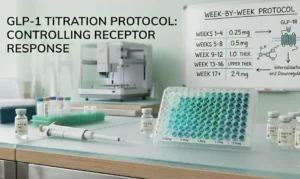
Introduction Designing a precise GLP-1 titration schedule is one of
 Sign In to Google